

July Check-In: What You Do Next Matters Most

This free article is made possible by PrepDig subscribers. Want more? Join today with 30% off using code: Coachable247.
Why This July Check-In Is Free
The final point of Nationals doesn't mark the end of recruiting. It marks the beginning of a different phase. While athletes head home, college coaches begin organizing recruiting boards, reviewing film, evaluating camp rosters, and preparing for their own seasons. July isn't quieter. It's simply different.
That's why we're making this July Check-In free. At PrepDig, we believe recruiting education should help athletes and families understand what comes next, long before that first conversation with a college coach ever happens. If you find value in articles like this, consider becoming a PrepDig subscriber. Your subscription supports the evaluations, player profiles, rankings, showcases, recruiting tools, and educational resources that help athletes become more visible, more prepared, and more informed throughout their recruiting journey.
July is the time to refresh your recruiting resume, attend college camps with purpose, strengthen relationships, communicate with coaches before their seasons begin, and prepare for the transition into high school volleyball.
That's what this month's check-in is all about.
College Camps: You're Recruiting Them Too
One of the most common questions I receive every summer is, "I got invited to a college camp. Does that mean they're recruiting me?"
The answer isn't always straightforward. Many college programs invite athletes through recruiting databases built from showcases, tournaments, recruiting platforms, and previous camp registrations. Receiving an invitation doesn't necessarily mean you've been individually recruited, but it also shouldn't discourage you from attending. Rather than wondering why you received the invitation, focus on whether the camp can help you learn more about the program, and whether the program is the right fit for you.

The most successful athletes don't attend college camps hoping to impress a coach for a few hours. They arrive with the mindset that they're evaluating the program just as much as the coaching staff is evaluating them. Pay attention to how the coaches teach, communicate, and interact with their players. Watch how current athletes respond to coaching, support one another, and represent the program. Ask yourself whether you can genuinely picture yourself learning, competing, and growing in that environment for four years. Recruiting has always been about finding the right fit, not simply the biggest name.
After talking with coaches across the country, one thing has become clear. The athletes who get the most out of camp aren't always the most physically gifted. They're the ones who ask questions, stay engaged, embrace coaching, and treat every drill as an opportunity to improve. Coaches expect mistakes during camp. What they remember is how athletes respond to instruction, interact with teammates, and carry themselves throughout the day.
Remember why college camps exist. They're designed to teach as much as they are to evaluate. Enjoy the experience, meet new people, ask thoughtful questions, and allow yourself to have fun. Athletes who compete with confidence, curiosity, and authenticity are often far more memorable than those who spend the entire camp worried about every mistake.
Be intentional about the camps you choose. You don't need to attend every camp you're invited to. Research the program, understand the level of competition, consider where you realistically fit, and invest your time in schools that align with your academic, athletic, and personal goals. The best camp isn't always the biggest camp or the most recognizable name. It's the one that helps you determine whether you can genuinely see yourself thriving there for the next four years.
Your Recruiting Resume Should Tell the Whole Story
By the time Nationals comes to an end, many athletes have changed more than they realize. They've learned how to compete under pressure, embraced new roles, earned opportunities they didn't have six months ago, and discovered strengths that never show up on a stat sheet. Your recruiting resume should reflect that growth.
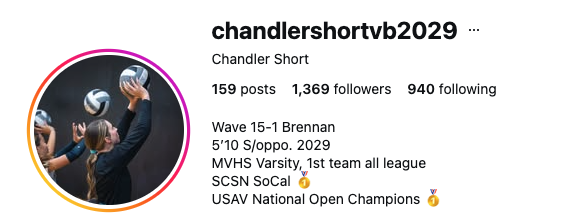
Take time to update your PrepDig Player Profile, recruiting platforms, and social media with everything you've accomplished throughout the club season. Add championship finishes, bids earned, showcase evaluations, academic achievements, leadership experiences, measurable improvements, and any recognition that helps college coaches understand how your game has evolved. Your profile should tell the story of the player you've become, not the athlete you were when the season began.
As your focus shifts toward high school volleyball, remember that coaches are already looking ahead to the fall. Post your high school schedule as soon as it's available, tag your school's Instagram account in your bio, and make sure your graduation year, jersey number, position, height, club affiliation, and contact information are all current. The easier you make it for a coach to follow your season and connect with you, the more valuable your recruiting profile becomes.
Your recruiting resume is often a coach's first introduction to you. Before they ever step into your gym, watch your film, or pick up the phone, they're beginning to form an impression based on the information you've chosen to share. Make sure it reflects not only what you've accomplished, but also the student, teammate, and competitor you've worked so hard to become.
Once your recruiting materials tell the complete story of your season, don't assume coaches will automatically find them. The next step is reaching out and giving them a reason to follow your journey into high school volleyball.
Summer Email That College Coaches Actually Want to Read
College coaches receive hundreds of recruiting emails every month. The emails coaches remember aren't always the longest or the most polished. They're the ones that reveal the person behind the player. While many athletes send an updated tournament schedule or a list of statistics, the emails that often leave the strongest impression tell a much more complete story. Coaches already have access to your tournament results, highlight film, and measurables. What they're trying to understand is something those resources can't fully capture...who you've become throughout the season.

Before you start typing, spend a few minutes reflecting on your season. Think about the challenges you overcame, how your role evolved, the feedback your coaches consistently gave you, and the areas of your game that grew the most. Those are the stories coaches remember because they reveal resilience, self-awareness, and coachability...qualities that rarely appear on a stat sheet.
As you look ahead to high school volleyball, let coaches know what excites you about the upcoming season. Will you be stepping into a new role? Are you expected to become a six-rotation player, lead your team as a setter, or take on more responsibility as a captain? Explain what you're working toward and why you're excited for the opportunity. Those details help coaches understand not only where you are today, but where you may be headed over the next year.
Finally, make it easy for coaches to continue following your journey. Include a link to your PrepDig Player Profile, updated highlight film, your high school schedule, and any recent accomplishments or evaluations. Keep your email personal, professional, and authentic. The goal isn't to send the longest message in a coach's inbox...it's to send one they'll remember because it sounds like you.
Build Your Recruiting Team Before High School Begins
Nearly every successful college athlete can point to a conversation that changed her direction. Sometimes it came from a club coach. Sometimes it came from a trainer, a high school coach, or a mentor who simply saw something the athlete hadn't recognized yet. Before high school season begins, make time to connect with the people who have played a meaningful role in your development. Your club coach, high school coach, position trainer, strength coach, and club director each see your game through a different lens. Together, they can provide perspective that helps shape what comes next.

Don't be afraid to ask questions that invite honest feedback. What part of my game needs the most attention before high school season? Where do you see my greatest potential? If a college coach called you today, what would you tell them about me? What separates the athletes you've coached who went on to play in college? Those conversations often provide more valuable direction than another weekend of competition because they come from people who have watched your growth over time.
This is also an opportunity to strengthen relationships, not because you need something today, but because recruiting has always been built on trust. College coaches regularly speak with club directors, high school coaches, and trainers when evaluating prospective student-athletes. The stronger those relationships become, the more confidently the people in your corner can speak about your work ethic, character, coachability, and commitment when college coaches begin asking about you.
The athletes who navigate recruiting most successfully rarely do it alone. They surround themselves with people who celebrate their successes, challenge them to improve, and provide honest feedback along the way. Those relationships become part of your recruiting story because college coaches aren't only evaluating the athlete they see on the court...they're also learning about the person behind the jersey through the people who know you best.
Want More Exposure? The PrepDig Showcase Series
The athletes who continue gaining recruiting momentum after Nationals are usually the ones who intentionally create opportunities to be evaluated. Visibility rarely happens by accident. College coaches still need opportunities to see you compete, evaluate how you process the game, and determine whether your style of play fits what they're looking for. That's why it's important to continue creating meaningful opportunities for evaluation long after club season comes to an end.
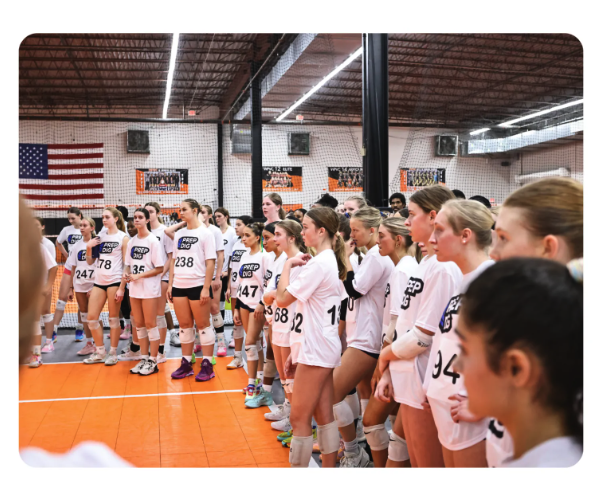
The PrepDig Showcase Series was created for athletes who want to take ownership of their recruiting journey and better understand how visibility, evaluation, and opportunity work together. These events are about far more than another day of competition. They provide athletes with an opportunity to compete in front of experienced evaluators, receive meaningful feedback, gain exposure through written evaluations and recruiting content, and learn what college coaches are looking for at each stage of development.
Unlike tournament play, where coaches may only see a handful of rotations before moving to another court, showcases create an environment where athletes can be evaluated side by side under consistent conditions. Evaluators have the opportunity to watch how athletes communicate, respond to coaching, solve problems, and compete throughout the day. Those qualities often reveal just as much about a prospect as her physical abilities.
Whether your goal is to improve your communication, receive an evaluation, build confidence, create recruiting content, or better understand where your game stands today, every showcase is designed to help you continue growing both on and off the court. Recruiting isn't built on one weekend or one standout performance. It's built through continued visibility, intentional development, and athletes who consistently place themselves in environments where they can learn, compete, and be seen.
I hope our paths cross at one of our upcoming Freshman, Sophomore ID, Stock Up, or Up Next showcases. I'd love the opportunity to watch you compete and learn more about your journey.
Rankings Are Snapshots, Not Destinations
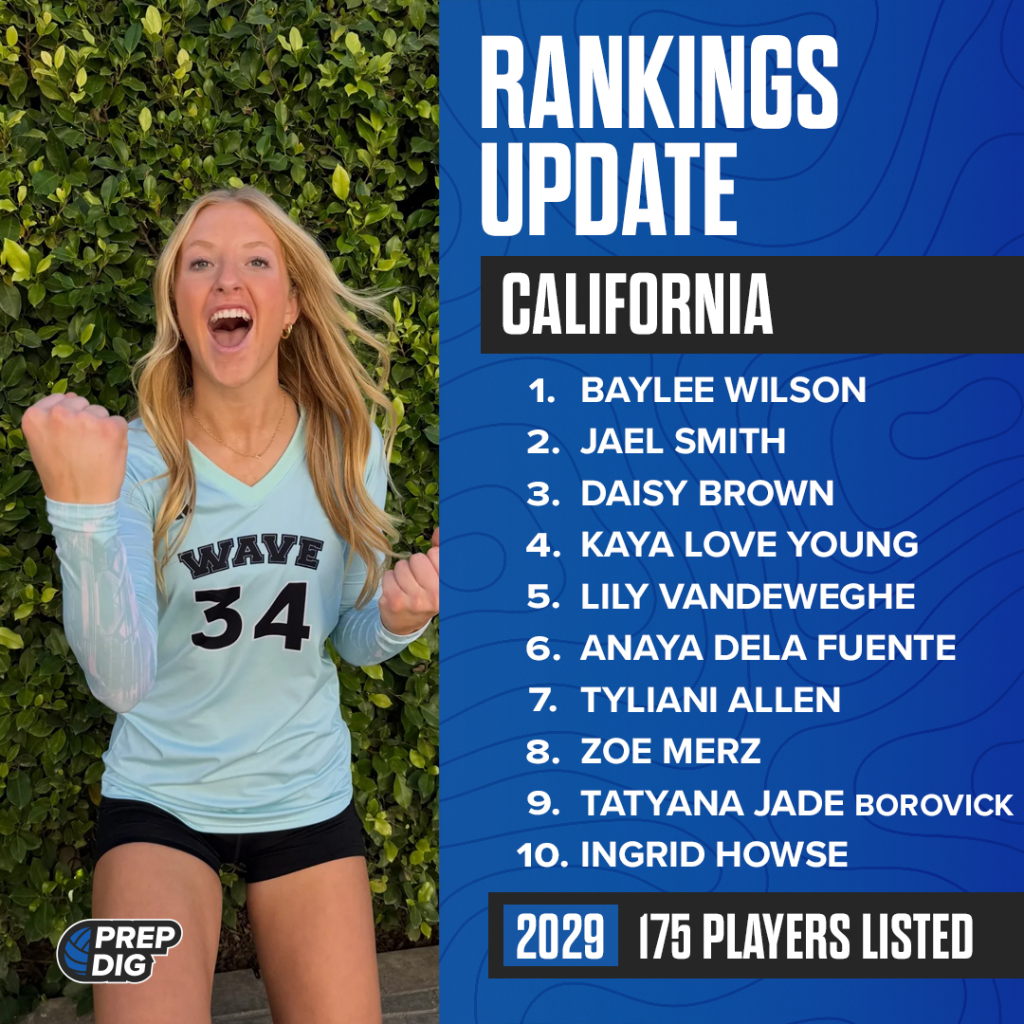
By this point in the summer, conversations about rankings begin showing up everywhere. Families celebrate movement, athletes compare lists, and social media starts paying close attention. It's exciting...but it's also important to understand what rankings are designed to do. Every evaluation, every conversation, every camp, every updated profile, and every opportunity to compete helps college coaches develop a more complete understanding of who you are as both a player and a person. Recruiting has never been built on one performance. It is built through consistent evaluation over time.
One of the biggest misconceptions I see every year is athletes allowing a ranking to define their confidence. Rankings recognize where an athlete is today based on the information available at that moment, but they are never intended to predict where her journey will end. Players improve. Roles change. Opportunities emerge. College coaches continue gathering information long after rankings are published. Continue viewing every practice, tournament, showcase, and high school match as another opportunity to keep developing and adding to your recruiting story.
That same philosophy applies to rankings. They recognize achievement, highlight continued development, and provide another valuable data point for college coaches, but they are only one part of a much larger recruiting picture. Understanding where rankings fit within that process can help athletes stay focused on what matters most...continuing to improve.
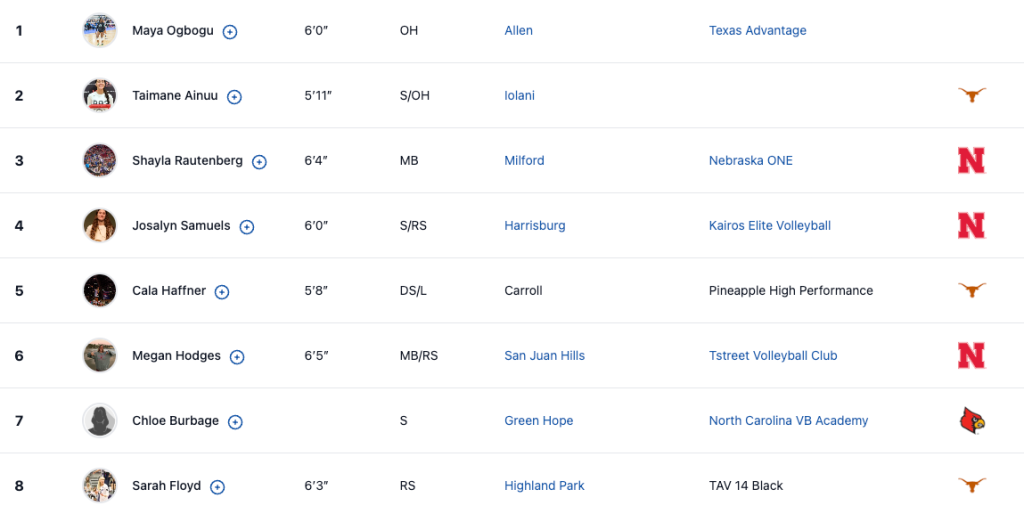
Congratulations to the 2028 Commitments
Congratulations to the 2028 commitments. If your recruiting journey reached a major milestone after June 15, take a moment to celebrate...you've earned it. Then remember that committing isn't the finish line; it's the beginning of preparing for college volleyball. Reach out to your future program about summer training expectations, watch your team's matches whenever possible, and start learning the systems and culture you'll be joining. The work that earned your commitment is different from the work that will prepare you to contribute once you arrive on campus. Make sure to update your Commitment Status on your profile.
Learning the Process Is Part of the Process
Every year, volleyball families make significant investments in their athletes through club dues, travel, private lessons, strength training, college camps, and countless weekends on the road. Those experiences are essential to an athlete's development. Yet one investment is often overlooked: understanding how the recruiting process actually works.
The athletes who navigate recruiting with the greatest confidence are rarely the ones with all the answers. They're the ones who understand the process. They know when to communicate with coaches, how to build meaningful relationships, what coaches are evaluating beyond statistics, and how to stay visible throughout their journey. They're able to make informed decisions because they've invested time in learning the recruiting landscape, not just competing within it.
That's the mission behind PrepDig. We don't simply report on recruiting...we help athletes and families understand it. Through articles, player evaluations, rankings, Player Profiles, showcases, and recruiting resources, our goal is to provide meaningful education while helping college coaches discover athletes who fit their programs. The more you understand how recruiting works, the more confidently you can advocate for yourself and make decisions that align with your goals.
A PrepDig subscription is an investment in that education. It provides access to the evaluations, insights, and recruiting resources that help athletes become more informed, more prepared, and more visible throughout their journey. If this article has helped you better understand what comes next, I hope you'll continue learning alongside us.
I hope this month's check-in gives you the confidence to approach the next phase of your recruiting journey with greater purpose and a clearer understanding of what comes next. I hope our paths cross in a gym this fall, and I look forward to continuing to share the athletes, stories, and lessons that make our volleyball community so special.
If you're ready to continue learning alongside us, you can join the PrepDig community with 30% off using my code COACHABLE247. Your subscription helps support the evaluations, articles, showcases, and recruiting education that allow us to continue shining a light on athletes across the country.
Thank you for making today's wins matter — one article, one player, one memory at a time.
~ Michelle Bamford @Coachable247
2026 Coverage Schedule: