

Why Social Media Is Changing College Volleyball Recruiting

<!-- wp:paragraph -->
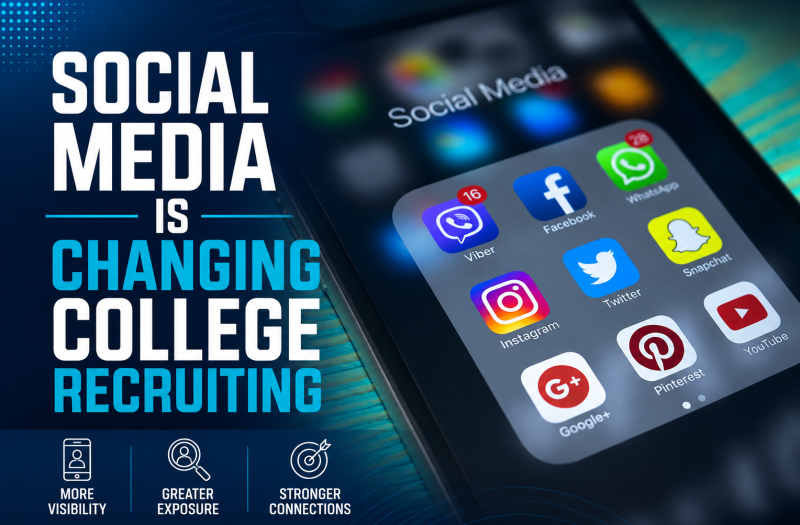
<p>College recruiting has changed dramatically over the last decade, and social media has become one of the most powerful tools an athlete can use. </p>
<!-- /wp:paragraph -->
<!-- wp:paragraph -->
<p>While attending tournaments and sending emails remain important, a strong online presence can help college coaches evaluate players long after the final whistle. </p>
<!-- /wp:paragraph -->
<!-- wp:paragraph -->
<p>For athletes looking to stand out in a competitive recruiting landscape, knowing how to use social media effectively can make all the difference.</p>
<!-- /wp:paragraph -->
<!-- wp:heading -->
<h2 class="wp-block-heading">Why Social Media Matters</h2>
<!-- /wp:heading -->
<!-- wp:paragraph -->
<p>We live in a day and age where visibility matters, and social media has become a major factor in nearly every aspect of our lives, including the college recruiting process. More than ever, elite athletes are using social media to build their personal brands, showcase their journeys, and create opportunities that extend beyond the court. As college athletics continues to evolve, social media will only become a bigger part of recruiting and athlete exposure.</p>
<!-- /wp:paragraph -->
<!-- wp:paragraph -->
<p>While not every athlete needs to become a content creator or build a massive following, having a professional and accessible social media presence can be a valuable tool in gaining visibility. College coaches cannot attend every tournament or watch every player in person, but online clips and profiles allow them to evaluate athletes, learn more about their personalities, and determine if they could be a fit for their program. A strong social media presence is another way for recruits to introduce themselves and make an impression before ever stepping on a college campus.</p>
<!-- /wp:paragraph -->
<!-- wp:heading -->
<h2 class="wp-block-heading">Choosing the Right Platform</h2>
<!-- /wp:heading -->
<!-- wp:heading {"level":4} -->
<h4 class="wp-block-heading">Instagram</h4>
<!-- /wp:heading -->
<!-- wp:paragraph -->
<p>Instagram shows who you are. It highlights your journey, personality, and athletic development. Coaches should be able to visit your page and immediately know your graduation year, position, club, and how to contact you.</p>
<!-- /wp:paragraph -->
<!-- wp:heading {"level":4} -->
<h4 class="wp-block-heading">Twitter</h4>
<!-- /wp:heading -->
<!-- wp:paragraph -->
<p>Twitter connects you with coaches. It helps you communicate, network, and stay visible within the volleyball community. While Instagram is focused more on showcasing your journey, X (Twitter) remains one of the strongest communication platforms in college recruiting. Many college coaches and recruiting coordinators actively use X to follow athletes, find tournament updates, and connect with potential recruits.</p>
<!-- /wp:paragraph -->
<!-- wp:heading {"level":4} -->
<h4 class="wp-block-heading">YouTube</h4>
<!-- /wp:heading -->
<!-- wp:paragraph -->
<p>YouTube proves your ability. A highlight video can catch a coach's attention, but a full match gives them the information needed to make a recruiting decision. YouTube should be considered your digital game film library. It allows coaches to see your skills in real situations, including how you move without the ball, communicate with teammates, respond to mistakes, and impact the game beyond highlight plays</p>
<!-- /wp:paragraph -->
<!-- wp:heading -->
<h2 class="wp-block-heading">What Every Recruiting Profile Should Include</h2>
<!-- /wp:heading -->
<!-- wp:paragraph -->
<p>Each platform should be up to date with information and should serve as a quick introduction to who you are as a player. Before you start posting content, one of the first steps is creating a consistent identity across all of your recruiting platforms. Your social media handle should be the same on each platform. The easiest format for college coaches to find you is using your first name, last name, and graduation year.</p>
<!-- /wp:paragraph -->
<!-- wp:paragraph -->
<p>For example:</p>
<!-- /wp:paragraph -->
<!-- wp:paragraph -->
<p><strong>@GraceYoder2022</strong></p>
<!-- /wp:paragraph -->
<!-- wp:paragraph -->
<p>Profile should include:</p>
<!-- /wp:paragraph -->
<!-- wp:list -->
<ul class="wp-block-list"><!-- wp:list-item -->
<li>Name</li>
<!-- /wp:list-item -->
<!-- wp:list-item -->
<li>Graduation year</li>
<!-- /wp:list-item -->
<!-- wp:list-item -->
<li>Position</li>
<!-- /wp:list-item -->
<!-- wp:list-item -->
<li>Height</li>
<!-- /wp:list-item -->
<!-- wp:list-item -->
<li>Reach/approach touch (if applicable)</li>
<!-- /wp:list-item -->
<!-- wp:list-item -->
<li>Club</li>
<!-- /wp:list-item -->
<!-- wp:list-item -->
<li>High school</li>
<!-- /wp:list-item -->
<!-- wp:list-item -->
<li>GPA</li>
<!-- /wp:list-item -->
<!-- wp:list-item -->
<li>Hudl link</li>
<!-- /wp:list-item -->
<!-- wp:list-item -->
<li>Email</li>
<!-- /wp:list-item --></ul>
<!-- /wp:list -->
<!-- wp:list {"ordered":true} -->
<ol class="wp-block-list"><!-- wp:list-item -->
<li></li>
<!-- /wp:list-item --></ol>
<!-- /wp:list -->
<!-- wp:heading -->
<h2 class="wp-block-heading">The BEST and WORST Content to Post</h2>
<!-- /wp:heading -->
<!-- wp:paragraph -->
<p>Coaches want to know about you as an athlete and person. Here are some things coaches want to see when they view your social media.</p>
<!-- /wp:paragraph -->
<!-- wp:list -->
<ul class="wp-block-list"><!-- wp:list-item -->
<li>Match Highlights</li>
<!-- /wp:list-item -->
<!-- wp:list-item -->
<li>Practice clips</li>
<!-- /wp:list-item -->
<!-- wp:list-item -->
<li>Skills Training</li>
<!-- /wp:list-item -->
<!-- wp:list-item -->
<li>Strength Training</li>
<!-- /wp:list-item -->
<!-- wp:list-item -->
<li>Tournament Schedule</li>
<!-- /wp:list-item -->
<!-- wp:list-item -->
<li>Academic Achievements </li>
<!-- /wp:list-item -->
<!-- wp:list-item -->
<li>Camp Visits</li>
<!-- /wp:list-item -->
<!-- wp:list-item -->
<li>Team Accomplishments</li>
<!-- /wp:list-item --></ul>
<!-- /wp:list -->
<!-- wp:paragraph -->
<p>Coaches can tell pretty quickly if you would be a good fit for their culture. Here are some things coaches do NOT want to see on social media.</p>
<!-- /wp:paragraph -->
<!-- wp:list -->
<ul class="wp-block-list"><!-- wp:list-item -->
<li>Controversial Posts</li>
<!-- /wp:list-item -->
<!-- wp:list-item -->
<li>Negative Comments</li>
<!-- /wp:list-item -->
<!-- wp:list-item -->
<li>Complaining About Play Time</li>
<!-- /wp:list-item -->
<!-- wp:list-item -->
<li>Inappropriate Language</li>
<!-- /wp:list-item -->
<!-- wp:list-item -->
<li>Poor Sportsmanship</li>
<!-- /wp:list-item --></ul>
<!-- /wp:list -->
<!-- wp:heading -->
<h2 class="wp-block-heading">Closing</h2>
<!-- /wp:heading -->
<!-- wp:paragraph -->
<p>One of the biggest mistakes a lot of athletes make is waiting until junior year to be building a library of film. Freshman and sophomores should be developing good habits early on to give them an edge when it comes to recruiting. </p>
<!-- /wp:paragraph -->
<!-- wp:paragraph -->
<p>Social media won't earn you a scholarship on its own, but it can create opportunities that might not exist otherwise. When paired with strong academics, consistent communication, and quality play on the court, it becomes one of the most valuable tools in the recruiting process. </p>
<!-- /wp:paragraph -->
College recruiting has changed dramatically over the last decade, and social media has become one of the most powerful tools an athlete can use.
Access all of Prep Dig
Continue reading this article and more.
Continue Reading
Already a subscriber?
Log in