<!-- wp:paragraph -->
<p><strong><em>Use Code: <strong>digdakotas30</strong> in the coupon code area</em></strong></p>
<!-- /wp:paragraph -->
<!-- wp:paragraph -->
<p><strong><em><a href="https://www.instagram.com/prepdigdakotas/?hl=en">Follow on Instagram@prepdigdakotas</a></em></strong></p>
<!-- /wp:paragraph -->
<!-- wp:image {"id":963410,"width":"349px","height":"auto","sizeSlug":"full","linkDestination":"none","align":"left"} -->
<figure class="wp-block-image alignleft size-full is-resized"><img src="https://prepdig.com/wp-content/uploads/sites/5/2026/04/image_3fe378.png" alt="" class="wp-image-963410" style="width:349px;height:auto" /></figure>
<!-- /wp:image -->
<!-- wp:paragraph -->
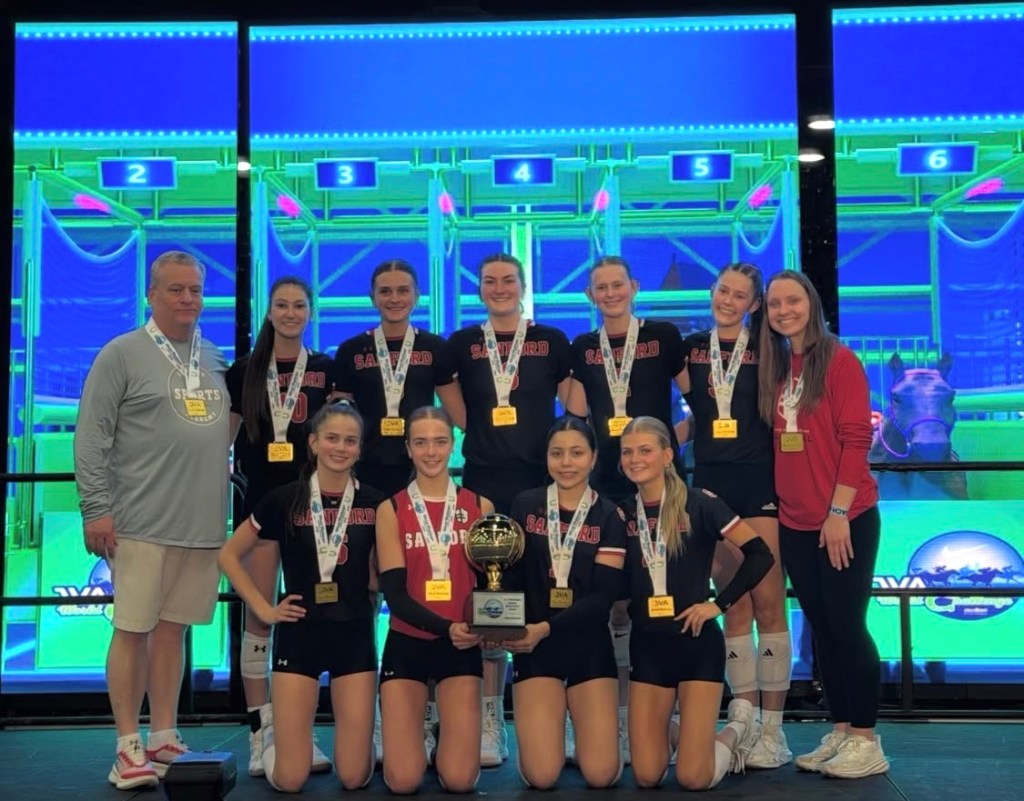
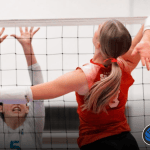
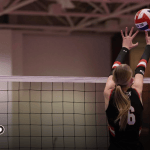
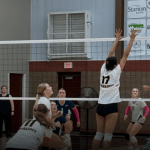
<p>There are tournament runs where everything falls into place—and then there are runs where a team has to <em>earn</em> every point, every set, every match. Sanford 16 Sioux Falls delivered the latter this past weekend at the JVA World Challenge, grinding through a loaded field to finish 17-7 and ultimately claim the championship. This wasn't just a title—it was a statement built on resilience, high-level volleyball IQ, and a complete team effort that refused to break under pressure.</p>
<!-- /wp:paragraph -->
<!-- wp:paragraph -->
<p>From the opening whistle to the final point, Sanford brought an edge that separated them from the field. The atmosphere around their court grew heavier with each round—college coaches circled, opponents adjusted, and the pressure mounted. But through it all, Sanford 16 Sioux Falls leaned into their identity: disciplined, connected, and relentless. Their championship-clinching win over KIVA 16 White (25-21, 25-21) showcased everything this group has built—controlled tempo, aggressive decision-making, and the ability to execute in the biggest moments.</p>
<!-- /wp:paragraph -->
<!-- wp:paragraph -->
<p>This was a team that didn't rely on one phase—they controlled matches in all six rotations. Serve-receive was steady, defensive reads were sharp, and transition offense consistently applied pressure. More importantly, they trusted each other. You could see it in their communication between points, their ability to reset after errors, and the way they responded when matches tightened late in sets. This group didn't just play together—they competed <em>for</em> each other.</p>
<!-- /wp:paragraph -->
<!-- wp:paragraph -->
<p>At the center of it all was setter <strong>[player_tooltip player_id='769797' first='Cate' last='Strande']</strong>, who orchestrated the offense with confidence and precision. Strande dictated tempo beautifully, mixing quicks, pins, and back-row options in a way that kept opposing blockers guessing. Her ability to read the block and adjust mid-rally stood out, especially in transition. She didn't just deliver hittable balls—she created opportunities for her hitters to score in system and out-of-system. When rallies extended, Strande's decision-making elevated, finding mismatches and keeping Sanford one step ahead offensively.</p>
<!-- /wp:paragraph -->
<!-- wp:paragraph -->
<p>On the pins, Sanford showcased depth and versatility that proved difficult to contain. <strong>[player_tooltip player_id='746005' first='Ella' last='Fluth']</strong> was a consistent offensive presence, using her approach mechanics and arm speed to attack seams and challenge blockers. She showed a strong ability to score in rhythm while also managing out-of-system swings with control. Fluth's shot selection allowed her to stay efficient, mixing pace and placement to keep defenses off balance.</p>
<!-- /wp:paragraph -->
<!-- wp:paragraph -->
<p><strong>[player_tooltip player_id='833222' first='Jersie' last='Hostetler']</strong> brought a high-motor, competitive edge to the outside. Her ability to transition quickly from defense to offense created scoring opportunities in scramble plays. Hostetler's willingness to swing aggressively in tight situations paid off, as she consistently applied pressure even against well-formed blocks. She also contributed as a stabilizer in serve-receive, helping anchor the backcourt when rotations got challenging.</p>
<!-- /wp:paragraph -->
<!-- wp:paragraph -->
<p><strong>[player_tooltip player_id='745859' first='Taylor' last='Piel']</strong> added another dynamic layer on the pin, bringing a balanced offensive approach. She was effective attacking high hands and showed composure when facing bigger blocks. Piel's ability to stay disciplined in her swing choices allowed Sanford to extend rallies and eventually capitalize. Her transition efficiency stood out, especially in longer rallies where timing and footwork became critical.</p>
<!-- /wp:paragraph -->
<!-- wp:paragraph -->
<p><strong>[player_tooltip player_id='932595' first='Jordan' last='Rhead']</strong> delivered key moments throughout the tournament, particularly in high-pressure sequences. She showed a strong ability to terminate in rhythm while also expanding her impact with smart, deceptive touches at the net—using aggressive second-contact decisions and controlled tips to keep defenses off balance. Rhead remained aggressive late in sets, reading the block and making confident in-system and out-of-system decisions. Her presence at the net consistently created momentum swings for Sanford, especially when they needed to shift tempo and apply pressure offensively.</p>
<!-- /wp:paragraph -->
<!-- wp:paragraph -->
<p><strong>[player_tooltip player_id='745862' first='Brooke' last='Steineke']</strong> rounded out the pin group with physicality and presence. Her approach created separation, allowing her to generate clean contact and attack with power. Steineke also contributed defensively, showing discipline in coverage and helping extend plays that turned into transition opportunities.</p>
<!-- /wp:paragraph -->
<!-- wp:paragraph -->
<p>In the middle, Sanford controlled the net with efficiency and timing. <strong>[player_tooltip player_id='753852' first='Jayla' last='Overman']</strong> was a key piece in establishing offensive rhythm early in rallies. Her ability to stay available in transition and connect on quick tempos forced opposing blockers to respect the middle, opening lanes for the pins. Overman's blocking presence added another dimension, as she consistently closed seams and disrupted opposing offenses.</p>
<!-- /wp:paragraph -->
<!-- wp:paragraph -->
<p><strong>[player_tooltip player_id='745911' first='Jersey' last='Peterson']</strong> complemented that presence with strong positioning and awareness at the net. She showed great timing on her approaches, allowing her to connect cleanly in system. Defensively, Peterson read setters well and reacted quickly, helping Sanford slow down opposing attacks. Her work at the net played a significant role in controlling match tempo.</p>
<!-- /wp:paragraph -->
<!-- wp:paragraph -->
<p>In the backcourt, <strong>Sophia ONeil</strong> anchored the defense with composure and consistency. Her platform control and ability to read hitters gave Sanford an advantage in serve-receive and defensive transitions. O'Neil's range allowed her to track down balls that extended rallies, and her calm presence helped stabilize the team in high-pressure moments. She didn't just pass—she created offensive opportunities with quality first contacts.</p>
<!-- /wp:paragraph -->
<!-- wp:paragraph -->
<p>What made this run special wasn't just individual performances—it was the collective execution. Sanford 16 Sioux Falls played with a level of connectivity that showed in every phase. Their communication was constant, their adjustments were immediate, and their energy never dipped. When they faced adversity—and they did throughout a 24-match stretch—they responded with discipline and grit.</p>
<!-- /wp:paragraph -->
<!-- wp:paragraph -->
<p>The championship match against KIVA 16 White highlighted that toughness. Both sets were tightly contested, with momentum swinging back and forth. But Sanford never lost control. They stayed composed in serve-receive, executed in transition, and closed points with purpose. Their ability to manage the end of sets—arguably the most important phase of any match—was the difference. They didn't just hold leads; they <em>finished</em>.</p>
<!-- /wp:paragraph -->
<!-- wp:paragraph -->
<p>This title run sends a clear message: Sanford 16 Sioux Falls is a team built for high-level competition. Their combination of volleyball IQ, physical tools, and team-first mentality makes them a group that can compete with anyone in the country. More importantly, they've proven they can sustain that level across an entire tournament.</p>
<!-- /wp:paragraph -->
<!-- wp:paragraph -->
<p>As the season continues, this group isn't just carrying a championship—they're carrying momentum. And if this weekend was any indication, they're far from done.<strong><em>~Theresa@prepdigdakotas</em></strong></p>
<!-- /wp:paragraph -->
<!-- wp:separator -->
<hr class="wp-block-separator has-alpha-channel-opacity" />
<!-- /wp:separator -->
<!-- wp:heading -->
<h2 class="wp-block-heading">Thank you to all my readers for making this journey possible. My goal has always been simple—to shine a light on athletes at every level, from Division I to NAIA, and give them a platform to keep chasing their love for the game. Every player deserves a shot, and I'm honored to help tell their stories.</h2>
<!-- /wp:heading -->
<!-- wp:paragraph -->
<p><br><strong>Please help us continue to grow this positive platform for players by spreading the word and encouraging your friends to subscribe at PrepDig.com. With your support, we can create unforgettable memories and experiences!</strong></p>
<!-- /wp:paragraph -->
<!-- wp:paragraph -->
<p><strong><br>This journey is created by the village—athletes, coaches, families, and subscribers.</strong></p>
<!-- /wp:paragraph -->
<!-- wp:heading {"level":4} -->
<h4 class="wp-block-heading"><em>Thank you for making it all possible! ~ Theresa Hickman</em></h4>
<!-- /wp:heading -->
<!-- wp:heading {"level":3} -->
<h3 class="wp-block-heading"><em>Follow on Instagram@prepdigdakotas</em></h3>
<!-- /wp:heading -->
<!-- wp:paragraph -->
<p>If You Enjoyed This Article, Help Us Keep the Momentum Going<br>🔥 Players<br>Use this article to grow. Take notes, study what makes others stand out, and apply it to your own journey. Want to take the next step? Reach out to a featured athlete and introduce yourself. Build connections, not just stats.</p>
<!-- /wp:paragraph -->
<!-- wp:paragraph -->
<p>📣 Club Coaches & Directors<br>Share this with your teams. If your athletes are highlighted, celebrate them. Post it, tag us, and help their stories reach the right eyes. Visibility matters.</p>
<!-- /wp:paragraph -->
<!-- wp:paragraph -->
<p>🎯 College Coaches<br>Tag these athletes in University Athlete and evaluate them as potential fits for your program. We continue tracking their growth and impact through Recruitable Credentials, the indicators coaches trust. Follow their progress with us and keep these prospects on your radar.</p>
<!-- /wp:paragraph -->
<!-- wp:paragraph -->
<p>🙏 Parents & Supporters<br>Thank you for being the backbone of this movement. Your subscriptions, shares, and belief in your athletes make this work possible. Help a player get discovered — share this article and tag @prepdigdakotas.</p>
<!-- /wp:paragraph -->
<!-- wp:paragraph -->
<p>🚀 Upgrade to a PrepDig+ Subscription<br>Access exclusive rankings, deeper analysis, and the full Prospect Index to follow every athlete's journey.</p>
<!-- /wp:paragraph -->
Use Code: digdakotas30 in the coupon code area
Follow on Instagram@prepdigdakotas There are tournament runs where everything falls into place—and then there are runs where a team has to earn every point, every set, every match. Sanford 16 Sioux Falls delivered the latter this past weekend at the JVA World Challenge, grinding through a loaded field to finish 17-7 and ultimately claim the championship. This wasn't just a title—it was a statement built on resilience, high-level volleyball IQ, and a complete team effort that refused to break under pressure. From the opening whistle to the final point, Sanford brought an edge that separated them from the field. The atmosphere around their court grew heavier with each round—college coaches circled, opponents adjusted, and the pressure mounted. But through it all, Sanford 16 Sioux Falls leaned into their identity: disciplined,…