<!-- wp:paragraph -->
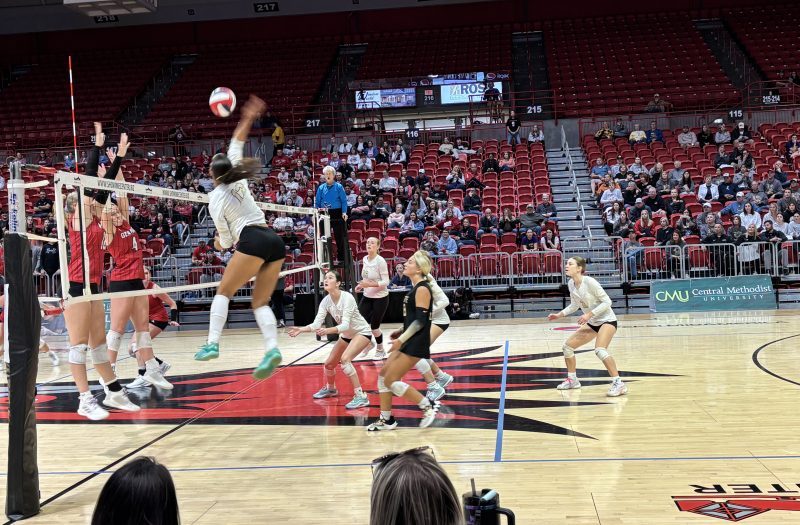
<p>September is where the volleyball season really starts to take shape.</p>
<!-- /wp:paragraph -->
<!-- wp:paragraph -->
<p>Teams have settled into their rotations, players have gotten comfortable in their roles, and we're starting to see who can take over when a match gets tight. Sometimes that means a hitter putting together a run that completely changes the momentum. Sometimes it's a setter controlling the tempo and keeping an offense humming. And sometimes it's a defender refusing to let a ball hit the floor.</p>
<!-- /wp:paragraph -->
<!-- wp:paragraph -->
<p>Missouri had plenty of big numbers this month, but these performances stood out. They weren't just impressive because of the final stat line. They showed players finding different ways to impact a match. This list was created on 9/25, so if you had a big match after that date, sorry!</p>
<!-- /wp:paragraph -->
<!-- wp:heading -->
<h2 class="wp-block-heading">Kills: Putting Points on the Board</h2>
<!-- /wp:heading -->
<!-- wp:paragraph -->
<p><strong>[player_tooltip player_id='485570' first='Eden' last='Robart'] — 34 kills vs. Festus</strong></p>
<!-- /wp:paragraph -->
<!-- wp:paragraph -->
<p>Robart put together one of those performances where the offense kept coming back to her. She finished with 34 kills in a 3-1 win over Festus, providing a consistent point of attack throughout the match. What's impressive about numbers like this isn't simply swinging hard; it's finding ways to score as the opposing defense adjusts—Robart's ability to produce point after point made her a constant problem for Festus.</p>
<!-- /wp:paragraph -->
<!-- wp:paragraph -->
<p><strong>[player_tooltip player_id='666872' first='Payton' last='Osegueda'] — 35 kills vs. North Kansas City</strong></p>
<!-- /wp:paragraph -->
<!-- wp:paragraph -->
<p>Osegueda had her biggest September performance in a five-set battle with North Kansas City, piling up 35 kills. That's a huge workload, but it also speaks to her ability to stay aggressive deep into a match. Five-set matches create plenty of opportunities for momentum to shift, and Osegueda repeatedly gave her team a way to stop a run and start one of its own. When watching video, I like seeing her with more pipe work from the back row.</p>
<!-- /wp:paragraph -->
<!-- wp:paragraph -->
<p><strong>[player_tooltip player_id='475322' first='Kate' last='Sherry'] — 29 kills</strong></p>
<!-- /wp:paragraph -->
<!-- wp:paragraph -->
<p>Sherry finished with 29 kills in a four-set match, another monster offensive night that required her productivity to stay at a high level over the course of an extended match. When a hitter gets into the high 20s, it usually means she's doing more than simply winning balls at the net. Shot selection, finding seams, attacking different areas of the court, and recognizing what the defense is giving you all become important. Sherry found enough answers to keep the offense moving.</p>
<!-- /wp:paragraph -->
<!-- wp:paragraph -->
<p><strong>[player_tooltip player_id='804365' first='Alayna' last='Barkley'] — 26 kills vs. Strafford</strong></p>
<!-- /wp:paragraph -->
<!-- wp:paragraph -->
<p>Barkley reached 26 kills twice during the month, but one performance particularly caught my attention: she did it in just four sets against Strafford. That's the kind of production that can quickly change a match. Barkley has shown the ability to generate scoring runs and put pressure on a defense, and when a hitter starts finding a rhythm, those runs can come in bunches.</p>
<!-- /wp:paragraph -->
<!-- wp:paragraph -->
<p><strong>[player_tooltip player_id='897186' first='Marissa' last='Falconer'] — 27 kills</strong></p>
<!-- /wp:paragraph -->
<!-- wp:paragraph -->
<p>Falconer came up with 27 kills in a 2-1 win, producing at a rate that gave her team a reliable offensive weapon throughout the match. Big kill totals are often about more than power. Being able to recognize the block, change shots, and take advantage of opportunities when they appear is what allows a hitter to keep scoring. Falconer did plenty of that in this performance.</p>
<!-- /wp:paragraph -->
<!-- wp:heading -->
<h2 class="wp-block-heading">Assists: Controlling the Game</h2>
<!-- /wp:heading -->
<!-- wp:paragraph -->
<p>The setter position doesn't always produce the flashiest stat line, but these numbers tell a pretty good story. A setter isn't simply delivering the ball — she's deciding where the offense goes, controlling tempo and trying to keep the defense from getting comfortable.</p>
<!-- /wp:paragraph -->
<!-- wp:paragraph -->
<p><strong>Cambree Hodges — 61 assists</strong></p>
<!-- /wp:paragraph -->
<!-- wp:paragraph -->
<p>Hodges dished out a monster 61 assists in a five-set win, orchestrating the offense from start to finish. In a match that went the distance, maintaining consistency while continuing to distribute the ball is no small task. The ability to keep multiple hitters involved, change tempo, and find the hot hand is what separates simply running an offense from truly controlling it.</p>
<!-- /wp:paragraph -->
<!-- wp:paragraph -->
<p><strong>[player_tooltip player_id='829347' first='Aly' last='Falconer'] — 49 assists</strong></p>
<!-- /wp:paragraph -->
<!-- wp:paragraph -->
<p>Falconer finished with 49 assists, showing the kind of steady command you want from the quarterback of an offense. High assist totals require more than putting the ball in the air. It's about getting hitters into position to attack, creating rhythm, and making good decisions when the defense starts taking away your first option. As seen above, sister is benefiting from this one, bringing their A game to the court.</p>
<!-- /wp:paragraph -->
<!-- wp:paragraph -->
<p><strong>[player_tooltip player_id='544678' first='Adalynn' last='Gibson'] — 47 assists</strong></p>
<!-- /wp:paragraph -->
<!-- wp:paragraph -->
<p>Gibson recorded 47 assists, another strong example of a setter keeping an offense in rhythm. Her ability to distribute and keep the attack moving allowed her hitters to stay aggressive rather than becoming predictable. When a setter can consistently put her teammates in a position to score, the entire offense becomes more difficult to defend.</p>
<!-- /wp:paragraph -->
<!-- wp:paragraph -->
<p><strong>Alyssa Scherr — 46 assists</strong></p>
<!-- /wp:paragraph -->
<!-- wp:paragraph -->
<p>Scherr handed out 46 assists, putting together a performance built around control and consistency. The best setters have a feel for when to speed things up, when to slow things down, and when to trust a particular hitter. Scherr's production shows just how much of the offense was running through her hands.</p>
<!-- /wp:paragraph -->
<!-- wp:heading -->
<h2 class="wp-block-heading">Aces: Serving Up Momentum</h2>
<!-- /wp:heading -->
<!-- wp:paragraph -->
<p>Sometimes the easiest way to change a match is to never let the other team get into its offense in the first place.</p>
<!-- /wp:paragraph -->
<!-- wp:paragraph -->
<p><strong>Allison Killion — 18 aces in two sets</strong></p>
<!-- /wp:paragraph -->
<!-- wp:paragraph -->
<p>This one is ridiculous.</p>
<!-- /wp:paragraph -->
<!-- wp:paragraph -->
<p>Killion went on an absolute serving run, recording 18 aces in just two sets for Ritenour. That's not simply having a good serving night; that's taking a match and putting it on your terms. </p>
<!-- /wp:paragraph -->
<!-- wp:paragraph -->
<p><strong>[player_tooltip player_id='913131' first='Layla' last='Watkins'] — 13 aces vs. Delta</strong></p>
<!-- /wp:paragraph -->
<!-- wp:paragraph -->
<p>Watkins added 13 aces in a three-set win over Delta, another performance where the service line became a weapon. A good server can force a team out of system; a great serving performance can completely disrupt the rhythm of an opponent. Watkins repeatedly put Delta in difficult situations and turned serves into points.</p>
<!-- /wp:paragraph -->
<!-- wp:paragraph -->
<p><strong>Coral Fultz — 11 aces</strong></p>
<!-- /wp:paragraph -->
<!-- wp:paragraph -->
<p>Fultz also found herself in a serving groove, piling up 11 aces in a match. Those numbers suggest someone who wasn't simply getting the ball over the net but attacking the service zone and forcing the opposing team to make uncomfortable first contacts.</p>
<!-- /wp:paragraph -->
<!-- wp:heading -->
<h2 class="wp-block-heading">Digs: Nothing Hits the Floor</h2>
<!-- /wp:heading -->
<!-- wp:paragraph -->
<p>If kills are about finding ways to end rallies, these defenders were about making sure the rallies kept going.</p>
<!-- /wp:paragraph -->
<!-- wp:paragraph -->
<p><strong>Mia Schlater — 53 digs</strong></p>
<!-- /wp:paragraph -->
<!-- wp:paragraph -->
<p>Schlater was everywhere, finishing with an incredible 53 digs in a 3-2 win. Fifty-three digs means repeatedly reading the attack, getting into position, and throwing your body into the play. In a five-set match, that's an enormous defensive workload. Schlater gave her team extra possessions all night.</p>
<!-- /wp:paragraph -->
<!-- wp:paragraph -->
<p><strong>Hailey Jordan — 44 digs</strong></p>
<!-- /wp:paragraph -->
<!-- wp:paragraph -->
<p>Kirksville's Jordan came up with 44 digs on September 2, putting together a defensive performance that required both anticipation and relentless effort. The best defenders aren't simply reacting to the ball after it's hit. They're reading the hitter, recognizing tendencies and getting themselves into position before the attack arrives. Jordan consistently found a way to keep the ball alive.</p>
<!-- /wp:paragraph -->
<!-- wp:paragraph -->
<p><strong>[player_tooltip player_id='630719' first='Samantha' last='O'Day'] — 41 digs</strong></p>
<!-- /wp:paragraph -->
<!-- wp:paragraph -->
<p>O'Day posted 41 digs, showing the kind of defensive activity that can frustrate an opposing offense. Every time a hitter thinks she has found the floor, a player like O'Day is there to keep the rally alive. That's the job of a libero or defensive specialist: cover ground, make the easy play, and then somehow find a way to make the difficult play look a stroll in the park.</p>
<!-- /wp:paragraph -->
<!-- wp:paragraph -->
<p><strong>[player_tooltip player_id='909859' first='Ali' last='Meyers'] — 40 digs</strong></p>
<!-- /wp:paragraph -->
<!-- wp:paragraph -->
<p>Meyers finished with 40 digs for Affton, another performance built on anticipation and persistence. Forty digs isn't about one spectacular defensive play. It's about repeatedly being in the right place, chasing down balls outside your area and refusing to concede points. Meyers allowed Affton to keep competing for nearly every ball.</p>
<!-- /wp:paragraph -->
<!-- wp:paragraph -->
<p><strong>[player_tooltip player_id='487562' first='Mara' last='Coulter'] — 37 digs</strong></p>
<!-- /wp:paragraph -->
<!-- wp:paragraph -->
<p>Coulter rounded out this group with 37 digs for Nixa, demonstrating the value of a defender who can consistently extend rallies. A strong defensive performance can change the personality of a match. When hitters know their teammates are going to chase down balls behind them, they can swing more aggressively. Coulter's work in the back row helped give Nixa those additional opportunities.</p>
<!-- /wp:paragraph -->
September is where the volleyball season really starts to take shape.

Continue reading this article and more.
Continue Reading
Already a subscriber?
Log in