<!-- wp:heading -->
<h2 class="wp-block-heading"><strong>What I Look for When Evaluating Volleyball Players</strong></h2>
<!-- /wp:heading -->
<!-- wp:paragraph -->
<p>I've spent a lot of time in gyms the last six years watching volleyball, from high school matches and club tournaments to college practices, games, camps and showcases. One thing I've learned is that the best player on the court isn't always the best college prospect. A player can put up 25 kills in a match and not necessarily impress me as much as someone who finishes with 12. A libero might have 30 digs, but that doesn't tell me how well she actually played defensively. A setter can rack up 40 assists while consistently putting her hitters in difficult situations. Statistics matter. I use them all the time. But numbers without context can be misleading.</p>
<!-- /wp:paragraph -->
<!-- wp:paragraph -->
<p>For this article, I reached out to current and former college coaches to get their input on what they look for when evaluating potential recruits. I wanted to take a closer look at how physical measurements, mechanics, statistical production, and the ability to project to the next level all factor into recruiting evaluations.</p>
<!-- /wp:paragraph -->
<!-- wp:paragraph -->
<p>When I'm evaluating a player for Prep Dig, I'm trying to answer a few questions. Does she have the physical tools to play at the next level? Are her mechanics sound? Does she understand the game? Is she producing against quality competition? And most importantly, will what she's doing against high school competition translate to college volleyball?</p>
<!-- /wp:paragraph -->
<!-- wp:quote -->
<blockquote class="wp-block-quote"><!-- wp:paragraph -->
<p><strong>Recruiting film gets a player noticed, but live evaluation is where coaches make their decisions.</strong></p>
<!-- /wp:paragraph --></blockquote>
<!-- /wp:quote -->
<!-- wp:paragraph -->
<p>Here's what I'm looking for.</p>
<!-- /wp:paragraph -->
<!-- wp:heading -->
<h2 class="wp-block-heading">It Starts With the Physical Tools</h2>
<!-- /wp:heading -->
<!-- wp:paragraph -->
<p>Before I start breaking down someone's statistics, I want to know what I'm working with physically. Height is important, particularly for front-row players, but it's only part of the equation. Standing reach, approach touch, and block touch often tell me considerably more about a player's potential. A 5'10" outside hitter with a 10'1" approach touch can be a more intriguing prospect than a 6'1" hitter who only touches 9'7". The shorter player has a four-inch advantage in maximum attacking reach despite giving up three inches in height. That doesn't automatically make her the better player, but it tells me something worth investigating.</p>
<!-- /wp:paragraph -->
<!-- wp:paragraph -->
<p>Here are some general physical ranges I use when looking at potential college fits.</p>
<!-- /wp:paragraph -->
<!-- wp:table -->
<figure class="wp-block-table"><table class="has-fixed-layout"><tbody><tr><th>Position</th><th>Mid-Major D1 Height</th><th>Mid-Major D1 Approach Touch</th><th>Power D1 Approach Touch</th></tr><tr><td>Outside</td><td>5'10"–6'2"</td><td>9'8"–10'2"</td><td>10'0"–10'6"+</td></tr><tr><td>Middle</td><td>6'0"–6'3"</td><td>9'8"–10'2"</td><td>10'1"–10'7"+</td></tr><tr><td>Right Side</td><td>5'11"–6'3"</td><td>9'7"–10'2"</td><td>10'0"–10'6"+</td></tr><tr><td>Setter</td><td>5'7"–6'0"</td><td>9'0"–9'7"</td><td>9'4"–10'0"</td></tr></tbody></table></figure>
<!-- /wp:table -->
<!-- wp:paragraph -->
<p><strong><em>These are general scouting guidelines, not verified NCAA averages or minimum recruiting requirements.</em> </strong>There are successful college players outside every one of these ranges (see Jill Gillen for example)</p>
<!-- /wp:paragraph -->
<!-- wp:paragraph -->
<p>For middles and right sides, block touch is particularly important. A middle who can reach 9'10" on a block has a physical advantage over someone reaching 9'3", but only if she can get into position and time her jump correctly.</p>
<!-- /wp:paragraph -->
<!-- wp:paragraph -->
<p>For liberos and defensive specialists, I'm much less concerned about height and jumping ability. Quickness, reaction time, body control, and passing ability carry considerably more weight.</p>
<!-- /wp:paragraph -->
<!-- wp:paragraph -->
<p>I also want to see how an athlete moves. Does she get off the floor quickly? Can she change direction without losing balance? Does she move efficiently, or is she constantly making unnecessary movements? My wife is a physical therapist and she can explain movement in ways that I can't grasp. She sees things, I can't and she is really good at it. I have watched her predict injuries just from how a player moves and their flexibility. </p>
<!-- /wp:paragraph -->
<!-- wp:paragraph -->
<p>Those are things a roster measurement won't tell you.</p>
<!-- /wp:paragraph -->
<!-- wp:paragraph -->
<p><img class="wp-image-1053767" style="width: 150px" src="https://prepdig.com/wp-content/uploads/sites/5/2026/10/TJ.png" alt=""><strong>University of North Alabama coach Tristen Johnson</strong> emphasized two physical traits that immediately get his attention when evaluating attackers.</p>
<!-- /wp:paragraph -->
<!-- wp:quote -->
<blockquote class="wp-block-quote"><!-- wp:paragraph -->
<p><strong>Obviously vertical touch and arm strength stand out the fastest for an attacker," Johnson said. That makes sense when you're projecting how a player will perform at the college level. An attacker might be extremely productive in high school, but the physical demands change significantly when she's facing bigger blockers and faster defenses.</strong></p>
<!-- /wp:paragraph --></blockquote>
<!-- /wp:quote -->
<!-- wp:heading -->
<h2 class="wp-block-heading">Outside Hitters: Can You Score When Everyone Knows You're Getting the Ball?</h2>
<!-- /wp:heading -->
<!-- wp:paragraph -->
<p>Outside hitters probably require the most complete evaluation because they're asked to do so much. The first thing I watch is the approach. Is it consistent? Does she generate power through her legs and hips, or is she relying entirely on her shoulder? Is she contacting the ball at the top of her jump? Does she have a fast, efficient arm swing? I was a baseball player in college and pitching coach for a long time. There are a lot of similarities in the the mechanics of both.</p>
<!-- /wp:paragraph -->
<!-- wp:paragraph -->
<p>Then I start watching shot selection.</p>
<!-- /wp:paragraph -->
<!-- wp:paragraph -->
<p>Can she hit sharp cross-court? Does she have a legitimate line shot? Can she attack high hands? What happens when the setter pushes her eight feet off the net? That's where I really start separating hitters. Almost anyone with some athletic ability can put a ball away against a poorly formed block. I want to know what happens when the other team has two good blockers waiting for her.</p>
<!-- /wp:paragraph -->
<!-- wp:quote -->
<blockquote class="wp-block-quote"><!-- wp:paragraph -->
<p><strong>My primary statistical indicator is hitting efficiency, evaluated alongside attack volume and competition level.</strong></p>
<!-- /wp:paragraph --></blockquote>
<!-- /wp:quote -->
<!-- wp:paragraph -->
<p>A hitter with 200 kills on 500 attempts and 50 errors is hitting .300. Someone with 200 kills on 800 attempts and 100 errors is hitting .125. That's a significant difference. But here's where context has to be considered. An outside hitting .260 while carrying 35 attempts per match against quality competition might be a more impressive prospect than someone hitting .350 on 12 attempts against weaker opponents.</p>
<!-- /wp:paragraph -->
<!-- wp:paragraph -->
<p>I also pay close attention to serve receive. A six-rotation outside who can pass consistently has considerably more recruiting value than someone who must come off the floor in the back row, assuming similar offensive ability.</p>
<!-- /wp:paragraph -->
<!-- wp:paragraph -->
<p><img class="wp-image-1052313" style="width: 150px" src="https://prepdig.com/wp-content/uploads/sites/5/2026/10/Below_Maris_0006.jpg" alt=""><strong>Maris Hall, Assistant Coach and Recruiting Coordinator at the University of South Alabama</strong>, emphasized that what she wants to see depends heavily on the position.</p>
<!-- /wp:paragraph -->
<!-- wp:quote -->
<blockquote class="wp-block-quote"><!-- wp:paragraph -->
<p><strong>For hitters I want to see a bunch of attacks and see their athleticism and arm speed," Hall said. "Video for me is really just to see if I want to go watch them live at club tournaments.</strong></p>
<!-- /wp:paragraph --></blockquote>
<!-- /wp:quote -->
<!-- wp:paragraph -->
<p><strong>Keys:</strong> Efficient scoring, good mechanics, intelligent shot selection, and the ability to handle difficult balls against quality blockers. It's not who hits the hardest, it's who can consistently produce no matter the opposition. IQ wins.</p>
<!-- /wp:paragraph -->
<!-- wp:paragraph -->
<p>Example:</p>
<!-- /wp:paragraph -->
<!-- wp:acf/evaluation-block {"name":"acf/evaluation-block","data":{"player_evaluations_0_player":["768346"],"_player_evaluations_0_player":"field_62ab9d62ecf2c","player_evaluations_0_override_profile_image":"","_player_evaluations_0_override_profile_image":"override-player-profile-image","player_evaluations_0_not_in_database":"","_player_evaluations_0_not_in_database":"field_62aba48cecf2d","player_evaluations":1,"_player_evaluations":"field_62aba7547dc44"},"alignText":"left","anchor":"acf-block-6ad14f5479e33"} -->
<!-- wp:paragraph -->
<p>When I think of a big-time college arm, Brink comes to mind. Even though she's just a sophomore, Gigerich already demonstrates several of the qualities I look for when evaluating hitters at the next level.</p>
<!-- /wp:paragraph -->
<!-- wp:paragraph -->
<p>The first thing that jumps out is her swing. It's powerful, technically sound, and, most importantly, repeatable. She consistently gets on top of the ball, makes clean contact at a high point, and generates the kind of pace that gives defenders very little time to react.</p>
<!-- /wp:paragraph -->
<!-- wp:paragraph -->
<p>But what makes Gigerich a college prospect, is that she's not simply relying on power. She's developed a good off-speed game and has shown the ability to place the ball just about anywhere on the court. She can drive the ball through defenders, attack around the block, or change speeds when the situation calls for it. Brink has 330 kills this season and has really improved her hitting percentage as the season has gone on. She has played some of her best volleyball against the toughest competition.</p>
<!-- /wp:paragraph -->
<!-- wp:paragraph -->
<p>That combination of arm speed, consistent contact, and shot selection is what separates a powerful high school hitter from someone whose offensive game has the potential to translate to college volleyball. Gigerich is a good example of why I look beyond kill totals. It's not just how many balls a player puts away. It's how she does it, the mechanics behind it, and whether those skills will translate against bigger, faster competition.</p>
<!-- /wp:paragraph -->
<!-- /wp:acf/evaluation-block -->
<!-- wp:heading -->
<h2 class="wp-block-heading">Middle Blockers: It's About More Than Being Tall</h2>
<!-- /wp:heading -->
<!-- wp:paragraph -->
<p>Height and reach certainly matter for middles, but I spend a lot of time watching their feet. Can they close the block? How quickly do they move from the middle to the pins? Are they reading the setter or simply chasing the ball? A tall middle who can't move laterally is going to have problems at the college level. I watch whether she gets her hands across the net (pressing) instead of simply reaching straight up. I also pay attention to timing. Does she jump with the attacker, or is she consistently early or late?</p>
<!-- /wp:paragraph -->
<!-- wp:quote -->
<blockquote class="wp-block-quote"><!-- wp:paragraph -->
<p><strong>Blocks per set is my starting statistical indicator</strong>, <strong>but it's not a complete measure of blocking effectiveness.</strong></p>
<!-- /wp:paragraph --></blockquote>
<!-- /wp:quote -->
<!-- wp:paragraph -->
<p>A middle can alter attacks without being credited with a block. Conversely, a player can accumulate block assists without consistently taking away the opponent's best attacking options. Offensively, I want to see whether she can run a legitimate quick attack. Does she get off the floor quickly? Is she available to the setter in transition? Can she hit different angles, or does every attack go to the same spot? Can she run a slide?</p>
<!-- /wp:paragraph -->
<!-- wp:paragraph -->
<p>Hitting percentage becomes particularly important here because middles generally receive more favorable attacking opportunities than pin hitters.</p>
<!-- /wp:paragraph -->
<!-- wp:paragraph -->
<p><strong>Keys:</strong> Quick lateral movement, disciplined blocking mechanics, and the ability to attack at a fast tempo.</p>
<!-- /wp:paragraph -->
<!-- wp:paragraph -->
<p>Example:</p>
<!-- /wp:paragraph -->
<!-- wp:acf/evaluation-block {"name":"acf/evaluation-block","data":{"player_evaluations_0_player":["749837"],"_player_evaluations_0_player":"field_62ab9d62ecf2c","player_evaluations_0_override_profile_image":"","_player_evaluations_0_override_profile_image":"override-player-profile-image","player_evaluations_0_not_in_database":"","_player_evaluations_0_not_in_database":"field_62aba48cecf2d","player_evaluations":1,"_player_evaluations":"field_62aba7547dc44"},"alignText":"left","anchor":"acf-block-6ad14f5479eb4"} -->
<!-- wp:paragraph -->
<p>Obviously, Evie Venters is a college prospect. The senior is already committed to Arkansas, and when you watch her play, it's easy to see why. Venters displays the physical ability, footwork, and instincts you want to see in a college middle. She currently leads the state with 117 total blocks, averaging 1.2 blocks per set. But it's not just the numbers that stand out it is how she gets them.</p>
<!-- /wp:paragraph -->
<!-- wp:paragraph -->
<p>Venters is extremely light on her feet and closes the seam as well as any middle I've watched in Arkansas. Her lateral movement allows her to get into position quickly, and she does an excellent job of closing the block and taking away attacking angles. </p>
<!-- /wp:paragraph -->
<!-- wp:paragraph -->
<p>She's also a legitimate offensive threat. Venters has recorded 314 kills this season, averaging 3.3 per set. She gets into her attack quickly and has the ability to put the ball away.</p>
<!-- /wp:paragraph -->
<!-- wp:paragraph -->
<p>What makes those numbers even more impressive is the competition. Venters plays in the state's highest classification and one of its toughest conferences, facing several Division I-caliber middles and right-side hitters. That's important when evaluating production. Putting up impressive blocking numbers against smaller or less experienced hitters is one thing. Doing it consistently against players with college-level size and ability is something else.</p>
<!-- /wp:paragraph -->
<!-- wp:paragraph -->
<p>Venters is a great example of what I look for in a college middle. The statistics support the evaluation, but it's her footwork, ability to close the block, and production against high-level competition that really stand out.</p>
<!-- /wp:paragraph -->
<!-- /wp:acf/evaluation-block -->
<!-- wp:heading -->
<h2 class="wp-block-heading">Setters: The Box Score Rarely Tells the Whole Story</h2>
<!-- /wp:heading -->
<!-- wp:paragraph -->
<p>I probably spend more time watching setters than any other position because their impact can be difficult to measure statistically. Assists per set is useful, but it's not where I start. I want to see the location of the ball. Is the setter consistently putting her hitters in positions where they can attack effectively? Can she deliver the same ball from different spots on the court? Does she maintain her mechanics when the pass isn't perfect?</p>
<!-- /wp:paragraph -->
<!-- wp:paragraph -->
<p>I pay close attention to her feet and body position. A setter who can get behind the ball, square up, and deliver a consistent release has a significant advantage. Then I watch decision-making.</p>
<!-- /wp:paragraph -->
<!-- wp:paragraph -->
<p>Does she recognize mismatches? Does she continue forcing balls to a struggling hitter? Can she establish her middles and keep opposing blockers from cheating toward the pins?</p>
<!-- /wp:paragraph -->
<!-- wp:paragraph -->
<p><strong>My preferred statistical indicator is team hitting percentage while she's setting.</strong> It's not a perfect individual measure because hitter quality matters, but it provides more context than assists alone.</p>
<!-- /wp:paragraph -->
<!-- wp:paragraph -->
<p>I also want to see setting accuracy, especially on out-of-system balls. That's something I evaluate through film rather than relying on a traditional box score. One other thing I look for is leadership. Not necessarily the loudest player on the court, but someone who stays composed, communicates, and keeps the offense organized when things aren't going well.</p>
<!-- /wp:paragraph -->
<!-- wp:quote -->
<blockquote class="wp-block-quote"><!-- wp:paragraph -->
<p><strong>For setters, Coach Hall said she focuses on tempo and foot speed.</strong></p>
<!-- /wp:paragraph --></blockquote>
<!-- /wp:quote -->
<!-- wp:paragraph -->
<p><strong>Keys:</strong> Consistent location, good footwork, smart distribution, and the ability to make average passes playable.</p>
<!-- /wp:paragraph -->
<!-- wp:paragraph -->
<p>Example:</p>
<!-- /wp:paragraph -->
<!-- wp:acf/evaluation-block {"name":"acf/evaluation-block","data":{"player_evaluations_0_player":["749906"],"_player_evaluations_0_player":"field_62ab9d62ecf2c","player_evaluations_0_override_profile_image":"","_player_evaluations_0_override_profile_image":"override-player-profile-image","player_evaluations_0_not_in_database":"","_player_evaluations_0_not_in_database":"field_62aba48cecf2d","player_evaluations":1,"_player_evaluations":"field_62aba7547dc44"},"alignText":"left","anchor":"acf-block-6ad14f5479f1b"} -->
<!-- wp:paragraph -->
<p>When evaluating setters, Molly is a great example of what college coaches are looking for. Already committed to Duke, Miller combines size, athleticism, and one of the highest volleyball IQs you'll find in the state. Miller has recorded 868 assists this season, averaging 10 per set, while competing in Arkansas' highest classification against some of the toughest competition in the state.</p>
<!-- /wp:paragraph -->
<!-- wp:paragraph -->
<p>But it's more than just her assist totals that make her a college prospect. Miller is a classic 5-1 setter who understands how to run an offense. She's not just a distributor. Miller is capable of attacking from the right side, giving opposing defenses another offensive threat to account for.She reads the defense, recognizes matchups, and knows when and where to distribute the ball. Her size and athleticism also give her an advantage that many setters don't have. I have seen her make sets from her knees, over her shoulder and diving.</p>
<!-- /wp:paragraph -->
<!-- wp:paragraph -->
<p>What I like most about Miller is her understanding of the game. She doesn't simply put the ball up for her hitters. She understands how to create opportunities for them.</p>
<!-- /wp:paragraph -->
<!-- wp:paragraph -->
<p>Miller is a good example of why assists alone don't tell the whole story when evaluating setters. Her size, athleticism, decision-making, and ability to contribute offensively are what make her such an great college prospect.</p>
<!-- /wp:paragraph -->
<!-- /wp:acf/evaluation-block -->
<!-- wp:heading -->
<h2 class="wp-block-heading">Right-Side Hitters: Can You Produce on Both Sides of the Net?</h2>
<!-- /wp:heading -->
<!-- wp:paragraph -->
<p>Right-side hitters sometimes get overlooked because they don't always receive the same attacking volume as outsides. But they're extremely important, particularly at the college level. I look at two things immediately. Can they block the opposing outside, and can they score consistently from the right side? The blocking component is significant. They're often matched against the opponent's most dangerous attacker. I want to see good hand positioning, lateral movement, and the ability to take away angles without leaving huge seams in the block. Often you will see a lot of high school outsides and middles project as college right-side hitters.</p>
<!-- /wp:paragraph -->
<!-- wp:paragraph -->
<p>Offensively, I look for a consistent approach, good shoulder rotation, and the ability to attack both line and cross-court. Can she score from behind the setter? Can she handle a high ball when the offense breaks down? Lefties tend to be especially tough from the right-side.</p>
<!-- /wp:paragraph -->
<!-- wp:quote -->
<blockquote class="wp-block-quote"><!-- wp:paragraph -->
<p><strong>Hitting efficiency is my primary statistical indicator, with blocks per set providing important secondary information.</strong></p>
<!-- /wp:paragraph --></blockquote>
<!-- /wp:quote -->
<!-- wp:paragraph -->
<p>For players who also set, I evaluate their setting separately rather than treating their assist totals as evidence of attacking ability.</p>
<!-- /wp:paragraph -->
<!-- wp:paragraph -->
<p><strong>Keys: </strong> Physical blocking presence, efficient attacking, and the ability to score against a well-formed block. Setting is a bonus. </p>
<!-- /wp:paragraph -->
<!-- wp:paragraph -->
<p>Example:</p>
<!-- /wp:paragraph -->
<!-- wp:acf/evaluation-block {"name":"acf/evaluation-block","data":{"player_evaluations_0_player":["547495"],"_player_evaluations_0_player":"field_62ab9d62ecf2c","player_evaluations_0_override_profile_image":"","_player_evaluations_0_override_profile_image":"override-player-profile-image","player_evaluations_0_not_in_database":"","_player_evaluations_0_not_in_database":"field_62aba48cecf2d","player_evaluations":1,"_player_evaluations":"field_62aba7547dc44"},"alignText":"left","anchor":"acf-block-6ad14f5479f76"} -->
<!-- wp:paragraph -->
<p>There are several top-notch right-side hitters in Arkansas I could use as examples, but I chose Arizona commit, [player_tooltip player_id='547495' first='Olivia' last='Ambeau'] because of everything she brings to the court. Ambeau and [player_tooltip player_id='749906' first='Molly' last='Miller'] are rare players. Both can set, hit, defend, and lead their teams. There are other right sides who might fit the more traditional mold of the position, but few possess the complete skill set that Ambeau brings to the floor.</p>
<!-- /wp:paragraph -->
<!-- wp:paragraph -->
<p>Playing in Class 6A against some of the state's toughest competition, Ambeau has put together an impressive statistical season. She's recorded 310 kills while hitting .276, along with 14 aces, 63 blocks, 297 digs, 350 assists, and 59 receptions. Those numbers tell you just how versatile she is. Ambeau isn't just an attacker who rotates to the front row and puts balls away. She contributes in virtually every phase of the game.</p>
<!-- /wp:paragraph -->
<!-- wp:paragraph -->
<p>But what really sets her apart for me is her blocking. At the college level, right-side hitters are frequently matched up against the opponent's best outside attackers. Having the size, timing, and ability to close the block is critical, and Ambeau has shown she can make an impact in that area.</p>
<!-- /wp:paragraph -->
<!-- wp:paragraph -->
<p>Her 63 blocks are impressive, but it's her ability to combine that defensive presence with legitimate offensive production and setting ability that makes her such an intriguing prospect.</p>
<!-- /wp:paragraph -->
<!-- wp:paragraph -->
<p>She's also capable of defending in the back row and running the offense when needed, something you don't see from many traditional right-side hitters. She will most likely be a 5-1 setter right-side as she moves forward in her career.</p>
<!-- /wp:paragraph -->
<!-- /wp:acf/evaluation-block -->
<!-- wp:heading -->
<h2 class="wp-block-heading">Liberos: Give Me Quality Over Quantity</h2>
<!-- /wp:heading -->
<!-- wp:paragraph -->
<p>This is one position where I think traditional statistics can really fool people. A libero with 35 digs might have played a tremendous match. She also might have faced 60 attacks because her team couldn't slow anyone down at the net. Digs per set tells me how many balls she kept off the floor. It doesn't necessarily tell me how well she defended. I want to know what happened after the dig. Did she put the ball in a position where the setter could run the offense? Was she balanced? Did she read the hitter, or was she simply reacting after contact? But the biggest thing I evaluate is serve receive.</p>
<!-- /wp:paragraph -->
<!-- wp:quote -->
<blockquote class="wp-block-quote"><!-- wp:paragraph -->
<p><strong>Passing quality is my number one statistical indicator for liberos.</strong></p>
<!-- /wp:paragraph --></blockquote>
<!-- /wp:quote -->
<!-- wp:paragraph -->
<p>When reliable data is available, I want to see average pass rating, perfect-pass percentage, reception errors, and the number of serves received. A player passing a 2.3 on a three-point scale gets my attention, but I also need to know how the rating was recorded and what kind of serves she was facing. I watch platform control, footwork, and how she handles balls outside her body. And I really pay attention to what happens after a mistake. Can she shake off a bad pass and handle the next serve?</p>
<!-- /wp:paragraph -->
<!-- wp:paragraph -->
<p><strong>Coach Johnson</strong> also made an interesting observation about evaluating liberos.</p>
<!-- /wp:paragraph -->
<!-- wp:quote -->
<blockquote class="wp-block-quote"><!-- wp:paragraph -->
<p><strong>Some players will make the easy plays look difficult by diving when the great ones can get there without falling down.</strong></p>
<!-- /wp:paragraph --></blockquote>
<!-- /wp:quote -->
<!-- wp:paragraph -->
<p>That's something I pay close attention to. A spectacular diving save might get the crowd excited, but a libero who reads the attack, moves efficiently, and makes the same play while staying on her feet may have demonstrated better defensive ability. Johnson also looks for strong court presence and the ability to cover significant range in serve receive.</p>
<!-- /wp:paragraph -->
<!-- wp:paragraph -->
<p>Sometimes the best defensive play is the one that doesn't look particularly difficult.</p>
<!-- /wp:paragraph -->
<!-- wp:paragraph -->
<p><strong>Keys:</strong> Consistent serve receive, defensive anticipation, controlled digs, and composure under pressure.</p>
<!-- /wp:paragraph -->
<!-- wp:paragraph -->
<p>Example:</p>
<!-- /wp:paragraph -->
<!-- wp:acf/evaluation-block {"name":"acf/evaluation-block","data":{"player_evaluations_0_player":["749919"],"_player_evaluations_0_player":"field_62ab9d62ecf2c","player_evaluations_0_override_profile_image":"","_player_evaluations_0_override_profile_image":"override-player-profile-image","player_evaluations_0_not_in_database":"","_player_evaluations_0_not_in_database":"field_62aba48cecf2d","player_evaluations":1,"_player_evaluations":"field_62aba7547dc44"},"alignText":"left","anchor":"acf-block-6ad14f5479fd1"} -->
<!-- wp:paragraph -->
<p>Tulsa commit [player_tooltip player_id='749919' first='Kennedy' last='Baber'] is a great example of what North Alabama coach Tristen Johnson was describing when he talked about defensive players who can read and react without having to dive for every ball.</p>
<!-- /wp:paragraph -->
<!-- wp:paragraph -->
<p>At 5'8", Baber has good size for a libero, but it's her court awareness and defensive positioning that really make the difference.</p>
<!-- /wp:paragraph -->
<!-- wp:paragraph -->
<p>A former hitter, Baber brings an understanding of the offensive side of the game to her defensive responsibilities. She reads opposing hitters extremely well, recognizes attacking angles, and gets herself into position before the ball is contacted. That's something I really look for when evaluating defensive players. It's not always about making the spectacular diving save. Sometimes the better defender is the one who reads the play early enough that she doesn't have to dive at all. Baber is balanced, moves efficiently, and consistently provides the quality first contact that allows the potent Tiger offense to operate at a high level.</p>
<!-- /wp:paragraph -->
<!-- wp:paragraph -->
<p>Her statistics are impressive. She's recorded 334 digs, 26 aces, 45 assists, and 363 serve receptions this season. But I want to emphasize that last number. The 363 receptions tell me she's handling a significant amount of responsibility in serve receive. They don't tell me how well she's passing.</p>
<!-- /wp:paragraph -->
<!-- wp:paragraph -->
<p>That's an important distinction when evaluating liberos. I want to know how many of those passes are putting the setter in position to run the entire offense. What's her average passing rating? How often is she delivering an in-system ball? How many reception errors is she making?</p>
<!-- /wp:paragraph -->
<!-- wp:paragraph -->
<p>Baber's ability to read attackers, control her movements, and deliver consistent first contacts is what makes her such a strong defensive prospect.</p>
<!-- /wp:paragraph -->
<!-- wp:paragraph -->
<p>She's a great example of why I value defensive efficiency over spectacular plays and passing quality over reception totals. The best liberos don't just keep the ball off the floor. They put their teams in position to score.</p>
<!-- /wp:paragraph -->
<!-- /wp:acf/evaluation-block -->
<!-- wp:heading -->
<h2 class="wp-block-heading">Defensive Specialists: Reliability Is Everything</h2>
<!-- /wp:heading -->
<!-- wp:paragraph -->
<p>My evaluation of defensive specialists is similar to liberos, but their role creates a few additional considerations. A DS might enter the match for only a few rotations. She doesn't always have the opportunity to settle into the game. She has to be ready immediately. I watch serve receive first. Can she handle tough float serves? Can she move through the ball without losing platform control? Does she consistently keep the offense in system? I also pay attention to serving. Can she serve aggressively without giving away points? Does she target specific zones? Can she put pressure on an opponent's weaker passer?</p>
<!-- /wp:paragraph -->
<!-- wp:quote -->
<blockquote class="wp-block-quote"><!-- wp:paragraph -->
<p><strong>Serve-receive efficiency is my primary statistical indicator</strong>, followed by reception error rate and serving effectiveness.</p>
<!-- /wp:paragraph --></blockquote>
<!-- /wp:quote -->
<!-- wp:paragraph -->
<p>An ace-to-error ratio can help, but it doesn't capture serves that force an opponent out of system.</p>
<!-- /wp:paragraph -->
<!-- wp:paragraph -->
<p><strong>Keyes:</strong> Reliable passing, disciplined defense, aggressive serving, and the ability to perform without needing several points to get comfortable.</p>
<!-- /wp:paragraph -->
<!-- wp:paragraph -->
<p>Example:</p>
<!-- /wp:paragraph -->
<!-- wp:acf/evaluation-block {"name":"acf/evaluation-block","data":{"player_evaluations_0_player":["793405"],"_player_evaluations_0_player":"field_62ab9d62ecf2c","player_evaluations_0_override_profile_image":"","_player_evaluations_0_override_profile_image":"override-player-profile-image","player_evaluations_0_not_in_database":"","_player_evaluations_0_not_in_database":"field_62aba48cecf2d","player_evaluations":1,"_player_evaluations":"field_62aba7547dc44"},"alignText":"left","anchor":"acf-block-6ad14f547a03c"} -->
<!-- wp:paragraph -->
<p>A lot of what I said about [player_tooltip player_id='749919' first='Kennedy' last='Baber'] can also be said about [player_tooltip player_id='793405' first='Eden' last='Fields']. Both are tremendous defensive players, but they go about their jobs a little differently. Baber has the size advantage, while Fields has exceptionally quick feet. Both read the game extremely well, anticipate where attackers are going with the ball, and consistently put themselves in the right position to make plays.</p>
<!-- /wp:paragraph -->
<!-- wp:paragraph -->
<p>She covers a tremendous amount of court and has the ability to track down balls that most defensive players simply aren't going to reach. Whether it's a hard-driven attack, a sharp angle, or an off-speed shot, Fields has the foot speed and reaction time to get herself into position.</p>
<!-- /wp:paragraph -->
<!-- wp:paragraph -->
<p>And like Baber, she doesn't rely solely on making spectacular diving saves. She reads the play, moves efficiently, and puts herself in position to make a controlled first contact. The statistics certainly back up her production. Fields currently leads the state with 642 digs, along with 21 service aces and 398 serve receptions.</p>
<!-- /wp:paragraph -->
<!-- wp:paragraph -->
<p>Leading the state in digs is impressive, but as I've mentioned throughout this article, dig totals alone don't tell the entire story. I want to know how many of those digs are controlled and playable. Is she simply keeping the ball off the floor, or is she putting her team in position to transition into offense?</p>
<!-- /wp:paragraph -->
<!-- wp:paragraph -->
<p>The same applies to her 398 receptions. That's a significant amount of responsibility, but the quality of those passes is ultimately more important than the total.</p>
<!-- /wp:paragraph -->
<!-- wp:paragraph -->
<p>What I like about comparing Fields and Baber is that they demonstrate two different ways to be successful defensively. Baber uses her size, positioning, and understanding of attacking angles, while Fields combines excellent anticipation with the quickness to cover a tremendous amount of ground.</p>
<!-- /wp:paragraph -->
<!-- wp:paragraph -->
<p>Neither approach is necessarily better. Both can translate to the college level.</p>
<!-- /wp:paragraph -->
<!-- wp:paragraph -->
<p>Fields is a great example of why I put so much emphasis on foot speed, defensive range, and the ability to read the game. Her 642 digs certainly get your attention, but it's how she gets to those balls and what she does with them that tells me the most about her potential at the next level.</p>
<!-- /wp:paragraph -->
<!-- /wp:acf/evaluation-block -->
<!-- wp:heading -->
<h2 class="wp-block-heading">The Numbers I Pay the Most Attention To</h2>
<!-- /wp:heading -->
<!-- wp:paragraph -->
<p>Every position has different responsibilities, so I don't evaluate every player using the same statistical standards.</p>
<!-- /wp:paragraph -->
<!-- wp:paragraph -->
<p>Here's where I generally start.</p>
<!-- /wp:paragraph -->
<!-- wp:table -->
<figure class="wp-block-table"><table class="has-fixed-layout"><tbody><tr><th>Position</th><th>Primary Statistical Indicator</th><th>What I Verify on Film</th></tr><tr><td>Outside</td><td>Hitting % with attack volume</td><td>Scoring against quality blocks, passing</td></tr><tr><td>Middle</td><td>Blocks/set</td><td>Closing speed, block touches, quick attacks</td></tr><tr><td>Setter</td><td>Team hitting % while setting</td><td>Location accuracy, tempo, decisions</td></tr><tr><td>Right Side</td><td>Hitting % with attack volume</td><td>Blocking and right-side attacking</td></tr><tr><td>Libero</td><td>Serve-receive rating</td><td>Passing consistency, dig quality</td></tr><tr><td>DS</td><td>Serve-receive rating</td><td>Passing reliability, serving pressure</td></tr></tbody></table></figure>
<!-- /wp:table -->
<!-- wp:paragraph -->
<p>These are starting points, not the entire evaluation. A middle averaging 1.2 blocks per set against weak competition isn't automatically a better prospect than someone averaging 0.8 against nationally competitive teams. The same goes for hitters, the system you play in makes a big difference, the competition does as well. And not every high school program tracks advanced statistics the same way. That's why I don't treat a single number as the final word on a player.</p>
<!-- /wp:paragraph -->
<!-- wp:heading -->
<h2 class="wp-block-heading">Why I Don't Like Evaluating Someone Based on One Match</h2>
<!-- /wp:heading -->
<!-- wp:paragraph -->
<p>I don't like making a definitive evaluation based on one good match. Players have great nights. They also have bad ones. Ideally, I want to see a player against different levels of competition, in different situations, and preferably more than once. The first time I watch someone, I'm generally looking at physical tools, mechanics, and overall ability. The second time, I start looking more closely at consistency and decision-making. If I get a third opportunity, I'm watching how she responds when things aren't going her way.</p>
<!-- /wp:paragraph -->
<!-- wp:paragraph -->
<p>What happens when an outside gets blocked three times in a row? Does she make an adjustment, or does she keep swinging into the same block? What happens when a setter's offense is struggling? Does she recognize the problem? What does a libero do after getting aced? Those situations tell me a lot. I also pay attention to how players carry themselves between points. Do they communicate? Are they engaged when the ball isn't coming their way? Do they respond to coaching? Body language alone doesn't determine a ranking, but repeated patterns can tell you something about a player's maturity and approach to the game.</p>
<!-- /wp:paragraph -->
<!-- wp:heading -->
<h2 class="wp-block-heading">Beyond Talent: Character, Culture, and College Fit with Ouachita Baptist head coach Allison Frizzell & North Alabama head coach Tristen Johnson</h2>
<!-- /wp:heading -->
<!-- wp:paragraph -->
<p>One thing that's easy to overlook in recruiting is that college coaches aren't simply looking for talented volleyball players. They're looking for athletes who fit their programs. And with the number of players competing for college opportunities, those things can make a difference. <strong>Coach Frizzell</strong> pointed out that the growing number of volleyball players has made evaluating the person just as important as evaluating the athlete.<img class="wp-image-1053705" style="width: 150px" src="https://prepdig.com/wp-content/uploads/sites/5/2026/10/Coach-Frizz.png" alt=""></p>
<!-- /wp:paragraph -->
<!-- wp:quote -->
<blockquote class="wp-block-quote"><!-- wp:paragraph -->
<p><strong>The pool of volleyball players is more abundant than it used to be, so as far as nonstatistical data goes, we look for the right cultural fit for them and us.</strong></p>
<!-- /wp:paragraph --></blockquote>
<!-- /wp:quote -->
<!-- wp:paragraph -->
<p>She also shared something I think every prospective college athlete and parent should consider.</p>
<!-- /wp:paragraph -->
<!-- wp:quote -->
<blockquote class="wp-block-quote"><!-- wp:paragraph -->
<p><strong>We tell them to take volleyball out of the picture and ask themselves if they can see themselves graduating from the university.</strong></p>
<!-- /wp:paragraph --></blockquote>
<!-- /wp:quote -->
<!-- wp:paragraph -->
<p>That's a good way to approach recruiting. Volleyball is obviously important, but a player also needs to find a school where she can be successful academically, socially, and personally. Frizzell also pays attention to things that never appear on a stat sheet. </p>
<!-- /wp:paragraph -->
<!-- wp:quote -->
<blockquote class="wp-block-quote"><!-- wp:paragraph -->
<p><strong>I also watch what athletes do on the bench and how they react to not playing and how they talk to their parents and coaches.</strong></p>
<!-- /wp:paragraph --></blockquote>
<!-- /wp:quote -->
<!-- wp:paragraph -->
<p>I've always believed you can learn a lot about a player when she's not involved in the action. How does she respond when a teammate makes a mistake? Is she engaged when she's on the bench? How does she handle coaching or a difficult stretch of play? Those things don't necessarily tell you how talented a player is, but they can tell you something about how she might fit into a college program.</p>
<!-- /wp:paragraph -->
<!-- wp:paragraph -->
<p>Frizzell also reinforced something <strong>South Alabama assistant coach Maris Hall</strong> mentioned earlier in this article. Film can get a coach interested, but the evaluation doesn't end there.</p>
<!-- /wp:paragraph -->
<!-- wp:quote -->
<blockquote class="wp-block-quote"><!-- wp:paragraph -->
<p><strong>While film is what catches our attention, watching athletes play live is where we really evaluate," Frizzell said. "It is also rare for us to just watch an athlete live once...we prefer multiple tournaments.</strong></p>
<!-- /wp:paragraph --></blockquote>
<!-- /wp:quote -->
<!-- wp:paragraph -->
<p><strong>Tristen Johnson</strong> also brought up something that I think gets overlooked when evaluating young athletes. How hard do they compete when the outcome doesn't seem particularly important?</p>
<!-- /wp:paragraph -->
<!-- wp:quote -->
<blockquote class="wp-block-quote"><!-- wp:paragraph -->
<p><strong>I want players that compete regardless of the circumstances and not only when they feel there is value in the result.</strong></p>
<!-- /wp:paragraph --></blockquote>
<!-- /wp:quote -->
<!-- wp:paragraph -->
<p>He specifically mentioned situations where a team has already qualified, secured a spot in the gold bracket, or is playing a weaker opponent. I think that's an important distinction. It's easy to get excited for a championship match against a rival. What about the third match of pool play against a team you're expected to beat?</p>
<!-- /wp:paragraph -->
<!-- wp:paragraph -->
<p>Are you still communicating? Are you competing for every point? Are you doing the little things correctly? Those situations can tell you just as much about a player's competitive mentality as a five-set championship match.</p>
<!-- /wp:paragraph -->
<!-- wp:paragraph -->
<p>That lines up with how I approach evaluations. One great match doesn't make someone a great prospect, just as one bad match shouldn't eliminate a player from consideration.College coaches want to see consistency. They want to see how athletes perform against different competition, how they respond to adversity, and whether what they saw on film holds up in person. Physical ability might get a player noticed. Production and mechanics can establish her as a legitimate prospect. But character, consistency, and the right fit can influence whether that interest turns into a recruiting opportunity.</p>
<!-- /wp:paragraph -->
<!-- wp:heading -->
<h2 class="wp-block-heading">The Right Player for the Right Program</h2>
<!-- /wp:heading -->
<!-- wp:paragraph -->
<p><img class="wp-image-1053834" style="width: 150px" src="https://prepdig.com/wp-content/uploads/sites/5/2026/10/Charlie-Olson.jpg" alt="">One thing I think players and parents sometimes misunderstand about recruiting is that being a good volleyball player doesn't automatically make someone a good fit for every college program. For this section I turn to <strong>Former</strong> <strong>Division I head coach, <strong>Charlie Olson</strong></strong>. He also spent five seasons as an Assistant Coach and Recruiting Coordinator at Sam Houston State University. Olson served as a volunteer assistant coach at Tennessee, where he helped train All-American libero Ellen Mullins. He is now Beach Volleyball Operations Director at Rally VB, explained that recruiting is much more complicated than simply identifying the most talented athletes.</p>
<!-- /wp:paragraph -->
<!-- wp:quote -->
<blockquote class="wp-block-quote"><!-- wp:paragraph -->
<p><strong>It may sound cliche, but it's all about the 'fit.'</strong></p>
<!-- /wp:paragraph --></blockquote>
<!-- /wp:quote -->
<!-- wp:paragraph -->
<p>He pointed out that every program is in a different situation. A Power Four program competing for conference championships has different recruiting needs than a mid-major trying to take the next step. The same applies to Division II and III programs competing for national championships or a program going through a complete rebuild. And those needs can change from year to year.</p>
<!-- /wp:paragraph -->
<!-- wp:paragraph -->
<p>Olson explained that during a program rebuild, he was looking for athletes who could help elevate the program over time. He referenced the Bowden Philosophy: "Lose Big. Lose Close. Win Close. Win Big." It's a simple way to describe the progression of building a competitive program. But recruiting isn't just about finding players with the physical ability to help make that happen.</p>
<!-- /wp:paragraph -->
<!-- wp:paragraph -->
<p>Olson emphasized the importance of finding high-character athletes who understand their roles and fit within the team's dynamics.</p>
<!-- /wp:paragraph -->
<!-- wp:quote -->
<blockquote class="wp-block-quote"><!-- wp:paragraph -->
<p><strong>I recruited players who I genuinely liked</strong>.</p>
<!-- /wp:paragraph --></blockquote>
<!-- /wp:quote -->
<!-- wp:paragraph -->
<p>Olson said, explaining that coaches and players spend an enormous amount of time together practicing, traveling, and competing. That's something worth thinking about. A coach might love a player's athletic ability but ultimately decide she's not the right fit for the program. That doesn't necessarily mean there's something wrong with the player. It might simply mean the coach is looking for something different.</p>
<!-- /wp:paragraph -->
<!-- wp:heading {"level":3} -->
<h3 class="wp-block-heading">Statistics Get You Noticed. Live Evaluations Matter More.</h3>
<!-- /wp:heading -->
<!-- wp:paragraph -->
<p>Olson also addressed something I've mentioned throughout this article: the limitations of high school and club volleyball statistics. </p>
<!-- /wp:paragraph -->
<!-- wp:quote -->
<blockquote class="wp-block-quote"><!-- wp:paragraph -->
<p><strong>Statistics can be brutally skewed in HS and Club; because there's no standard process</strong>.</p>
<!-- /wp:paragraph --></blockquote>
<!-- /wp:quote -->
<!-- wp:paragraph -->
<p>He's right. Not every team tracks statistics the same way. Some programs have dedicated statisticians, while others rely on coaches or volunteers. Some don't maintain detailed statistics at all. That makes comparing players based strictly on numbers extremely difficult. Olson said he used statistical production to identify potential recruits, particularly in areas such as blocking, attacking, assists, and kills, depending on his program's needs. But the numbers were only the starting point.</p>
<!-- /wp:paragraph -->
<!-- wp:quote -->
<blockquote class="wp-block-quote"><!-- wp:paragraph -->
<p><strong> I would always add recruits to evaluate live based on higher statistics</strong>.</p>
<!-- /wp:paragraph --></blockquote>
<!-- /wp:quote -->
<!-- wp:paragraph -->
<p>From there, he would request film and evaluate the player in person. His final point was pretty straightforward.</p>
<!-- /wp:paragraph -->
<!-- wp:quote -->
<blockquote class="wp-block-quote"><!-- wp:paragraph -->
<p> <strong>Always watch them live; always. Do they pass the eye test? Then let's have a chat, see if there's a fit.</strong></p>
<!-- /wp:paragraph --></blockquote>
<!-- /wp:quote -->
<!-- wp:paragraph -->
<p>That reinforces what several other college coaches have shared with me. Film and statistics can get a player on a recruiting list. But watching that player compete in person, evaluating how her abilities translate to the college game, and determining whether she fits the program are what move the process forward.</p>
<!-- /wp:paragraph -->
<!-- wp:heading -->
<h2 class="wp-block-heading">Potential Versus Production</h2>
<!-- /wp:heading -->
<!-- wp:paragraph -->
<p>This is probably the toughest part of evaluating young players. Sometimes the most productive player on a high school team isn't the one with the highest college ceiling. You might have a 5'8" outside who is absolutely dominating her conference. She's smart, technically sound, and knows how to find the floor. Then you might have a 6'2" sophomore who is still developing, makes too many errors, and hasn't figured out how to use her physical tools. Who's the better prospect? That's where evaluation becomes more than reading statistics. The first player might be ready to contribute immediately at a strong Division II program. The second might have the physical upside to play Division I if her mechanics and consistency develop. Neither evaluation diminishes what the other player has accomplished.</p>
<!-- /wp:paragraph -->
<!-- wp:quote -->
<blockquote class="wp-block-quote"><!-- wp:paragraph -->
<p><strong>Production tells me what a player is doing right now. Physical tools and technical development help me project what she might become.</strong></p>
<!-- /wp:paragraph --></blockquote>
<!-- /wp:quote -->
<!-- wp:paragraph -->
<p>Both matter, and I try to keep them separate when evaluating prospects. </p>
<!-- /wp:paragraph -->
<!-- wp:heading -->
<h2 class="wp-block-heading">What I'm Really Trying to Determine</h2>
<!-- /wp:heading -->
<!-- wp:paragraph -->
<p>When I leave a gym, I'm generally trying to answer five questions.</p>
<!-- /wp:paragraph -->
<!-- wp:list {"ordered":true,"start":1} -->
<ol start="1" class="wp-block-list"><!-- wp:list-item -->
<li><strong>Physical ability:</strong> Does she have the size, reach, explosiveness, and movement skills for her projected college level?</li>
<!-- /wp:list-item -->
<!-- wp:list-item -->
<li><strong>Mechanics:</strong> Is her technique efficient, repeatable, and capable of holding up against faster competition?</li>
<!-- /wp:list-item -->
<!-- wp:list-item -->
<li><strong>Production:</strong> Is she effective, and do her statistics support what I'm seeing?</li>
<!-- /wp:list-item -->
<!-- wp:list-item -->
<li><strong>Volleyball IQ:</strong> Does she recognize situations, make adjustments, and understand her responsibilities?</li>
<!-- /wp:list-item -->
<!-- wp:list-item -->
<li><strong>Projection:</strong> What does her game look like two or three years from now?</li>
<!-- /wp:list-item --></ol>
<!-- /wp:list -->
<!-- wp:paragraph -->
<p>I don't expect a freshman or sophomore to be a finished product. In fact, some of the players I find most intriguing are the ones who are still figuring things out. But I want to see a foundation to build on. I also try to be careful about putting too much weight on one measurement or one statistic. There are exceptions at every position and every level of college volleyball. A player doesn't have to fit a perfect physical profile to be a legitimate college prospect. What she does need is a skill set that translates. And ultimately, that's what I'm looking for every time I walk into a gym. Not just who's playing the best volleyball tonight.</p>
<!-- /wp:paragraph -->
<!-- wp:quote -->
<blockquote class="wp-block-quote"><!-- wp:paragraph -->
<p><strong>I'm looking for who's capable of playing at the next level, what level that might be, and what it's going to take for her to get there.</strong></p>
<!-- /wp:paragraph --></blockquote>
<!-- /wp:quote -->
<!-- wp:paragraph -->
<p>I will be covering the Texas Exposure Tours for Pre Dig in November, I hope to see you there!</p>
<!-- /wp:paragraph -->
<!-- wp:paragraph -->
<p><strong>Want to get noticed?</strong> Prep Dig Arkansas is covering players, big performances and rising talent from every corner of the state.</p>
<!-- /wp:paragraph -->
<!-- wp:paragraph -->
<p>Coaches, players and parents, <strong>send us your standout performances, milestones and game film.</strong> You never know who might be featured next!</p>
<!-- /wp:paragraph -->
<!-- wp:paragraph -->
<p><strong>Create your FREE player profile at PrepDig.com. download the Prep Network App and get on ours and coaches radar!</strong></p>
<!-- /wp:paragraph -->
<!-- wp:paragraph -->
<p>-Robert Birch, Lead Scout-Prep Dig Arkansas. Reach out to me at <a href="mailto:bdsrecruiting10@gmail.com"><strong>bdsrecruiting10@gmail.com</strong></a> or connect with me on <strong>X</strong> (@predigRob) <strong>Tik Tok</strong>(@prepdigrob) and <strong>Instagram</strong>(@prepdigarrob)</p>
<!-- /wp:paragraph -->
What I Look for When Evaluating Volleyball Players
I've spent a lot of time in gyms the last six years watching volleyball, from high school matches and club tournaments to college practices, games, camps and showcases. One thing I've learned is that the best player on the court isn't always the best college prospect. A player can put up 25 kills in a match and not necessarily impress me as much as someone who finishes with 12. A libero might have 30 digs, but that doesn't tell me how well she actually played defensively. A setter can rack up 40 assists while consistently putting her hitters in difficult situations. Statistics matter. I use them all the time. But numbers without context can be misleading.
For this article, I reached out to current and former college coaches to get their input on what they look for when evaluating potential recruits. I wanted to take a closer look at how physical measurements, mechanics, statistical production, and the ability to project to the next level all factor into recruiting evaluations.
When I'm evaluating a player for Prep Dig, I'm trying to answer a few questions. Does she have the physical tools to play at the next level? Are her mechanics sound? Does she understand the game? Is she producing against quality competition? And most importantly, will what she's doing against high school competition translate to college volleyball?
Recruiting film gets a player noticed, but live evaluation is where coaches make their decisions.
Here's what I'm looking for.
It Starts With the Physical Tools
Before I start breaking down someone's statistics, I want to know what I'm working with physically. Height is important, particularly for front-row players, but it's only part of the equation. Standing reach, approach touch, and block touch often tell me considerably more about a player's potential. A 5'10" outside hitter with a 10'1" approach touch can be a more intriguing prospect than a 6'1" hitter who only touches 9'7". The shorter player has a four-inch advantage in maximum attacking reach despite giving up three inches in height. That doesn't automatically make her the better player, but it tells me something worth investigating.
Here are some general physical ranges I use when looking at potential college fits.
Position
Mid-Major D1 Height
Mid-Major D1 Approach Touch
Power D1 Approach Touch
Outside
5'10"–6'2"
9'8"–10'2"
10'0"–10'6"+
Middle
6'0"–6'3"
9'8"–10'2"
10'1"–10'7"+
Right Side
5'11"–6'3"
9'7"–10'2"
10'0"–10'6"+
Setter
5'7"–6'0"
9'0"–9'7"
9'4"–10'0"
These are general scouting guidelines, not verified NCAA averages or minimum recruiting requirements.There are successful college players outside every one of these ranges (see Jill Gillen for example)
For middles and right sides, block touch is particularly important. A middle who can reach 9'10" on a block has a physical advantage over someone reaching 9'3", but only if she can get into position and time her jump correctly.
For liberos and defensive specialists, I'm much less concerned about height and jumping ability. Quickness, reaction time, body control, and passing ability carry considerably more weight.
I also want to see how an athlete moves. Does she get off the floor quickly? Can she change direction without losing balance? Does she move efficiently, or is she constantly making unnecessary movements? My wife is a physical therapist and she can explain movement in ways that I can't grasp. She sees things, I can't and she is really good at it. I have watched her predict injuries just from how a player moves and their flexibility.
Those are things a roster measurement won't tell you.
University of North Alabama coach Tristen Johnson emphasized two physical traits that immediately get his attention when evaluating attackers.
Obviously vertical touch and arm strength stand out the fastest for an attacker," Johnson said. That makes sense when you're projecting how a player will perform at the college level. An attacker might be extremely productive in high school, but the physical demands change significantly when she's facing bigger blockers and faster defenses.
Outside Hitters: Can You Score When Everyone Knows You're Getting the Ball?
Outside hitters probably require the most complete evaluation because they're asked to do so much. The first thing I watch is the approach. Is it consistent? Does she generate power through her legs and hips, or is she relying entirely on her shoulder? Is she contacting the ball at the top of her jump? Does she have a fast, efficient arm swing? I was a baseball player in college and pitching coach for a long time. There are a lot of similarities in the the mechanics of both.
Then I start watching shot selection.
Can she hit sharp cross-court? Does she have a legitimate line shot? Can she attack high hands? What happens when the setter pushes her eight feet off the net? That's where I really start separating hitters. Almost anyone with some athletic ability can put a ball away against a poorly formed block. I want to know what happens when the other team has two good blockers waiting for her.
My primary statistical indicator is hitting efficiency, evaluated alongside attack volume and competition level.
A hitter with 200 kills on 500 attempts and 50 errors is hitting .300. Someone with 200 kills on 800 attempts and 100 errors is hitting .125. That's a significant difference. But here's where context has to be considered. An outside hitting .260 while carrying 35 attempts per match against quality competition might be a more impressive prospect than someone hitting .350 on 12 attempts against weaker opponents.
I also pay close attention to serve receive. A six-rotation outside who can pass consistently has considerably more recruiting value than someone who must come off the floor in the back row, assuming similar offensive ability.
Maris Hall, Assistant Coach and Recruiting Coordinator at the University of South Alabama, emphasized that what she wants to see depends heavily on the position.
For hitters I want to see a bunch of attacks and see their athleticism and arm speed," Hall said. "Video for me is really just to see if I want to go watch them live at club tournaments.
Keys: Efficient scoring, good mechanics, intelligent shot selection, and the ability to handle difficult balls against quality blockers. It's not who hits the hardest, it's who can consistently produce no matter the opposition. IQ wins.
When I think of a big-time college arm, Brink comes to mind. Even though she's just a sophomore, Gigerich already demonstrates several of the qualities I look for when evaluating hitters at the next level.
The first thing that jumps out is her swing. It's powerful, technically sound, and, most importantly, repeatable. She consistently gets on top of the ball, makes clean contact at a high point, and generates the kind of pace that gives defenders very little time to react.
But what makes Gigerich a college prospect, is that she's not simply relying on power. She's developed a good off-speed game and has shown the ability to place the ball just about anywhere on the court. She can drive the ball through defenders, attack around the block, or change speeds when the situation calls for it. Brink has 330 kills this season and has really improved her hitting percentage as the season has gone on. She has played some of her best volleyball against the toughest competition.
That combination of arm speed, consistent contact, and shot selection is what separates a powerful high school hitter from someone whose offensive game has the potential to translate to college volleyball. Gigerich is a good example of why I look beyond kill totals. It's not just how many balls a player puts away. It's how she does it, the mechanics behind it, and whether those skills will translate against bigger, faster competition.
Evaluations are normally subscriber-only but when an athlete subscribes, theirs becomes free for all readers.
Subscribing doesn't change who the Scout covers, it changes who gets to see it.
Highlights
Middle Blockers: It's About More Than Being Tall
Height and reach certainly matter for middles, but I spend a lot of time watching their feet. Can they close the block? How quickly do they move from the middle to the pins? Are they reading the setter or simply chasing the ball? A tall middle who can't move laterally is going to have problems at the college level. I watch whether she gets her hands across the net (pressing) instead of simply reaching straight up. I also pay attention to timing. Does she jump with the attacker, or is she consistently early or late?
Blocks per set is my starting statistical indicator, but it's not a complete measure of blocking effectiveness.
A middle can alter attacks without being credited with a block. Conversely, a player can accumulate block assists without consistently taking away the opponent's best attacking options. Offensively, I want to see whether she can run a legitimate quick attack. Does she get off the floor quickly? Is she available to the setter in transition? Can she hit different angles, or does every attack go to the same spot? Can she run a slide?
Hitting percentage becomes particularly important here because middles generally receive more favorable attacking opportunities than pin hitters.
Keys: Quick lateral movement, disciplined blocking mechanics, and the ability to attack at a fast tempo.
Obviously, Evie Venters is a college prospect. The senior is already committed to Arkansas, and when you watch her play, it's easy to see why. Venters displays the physical ability, footwork, and instincts you want to see in a college middle. She currently leads the state with 117 total blocks, averaging 1.2 blocks per set. But it's not just the numbers that stand out it is how she gets them.
Venters is extremely light on her feet and closes the seam as well as any middle I've watched in Arkansas. Her lateral movement allows her to get into position quickly, and she does an excellent job of closing the block and taking away attacking angles.
She's also a legitimate offensive threat. Venters has recorded 314 kills this season, averaging 3.3 per set. She gets into her attack quickly and has the ability to put the ball away.
What makes those numbers even more impressive is the competition. Venters plays in the state's highest classification and one of its toughest conferences, facing several Division I-caliber middles and right-side hitters. That's important when evaluating production. Putting up impressive blocking numbers against smaller or less experienced hitters is one thing. Doing it consistently against players with college-level size and ability is something else.
Venters is a great example of what I look for in a college middle. The statistics support the evaluation, but it's her footwork, ability to close the block, and production against high-level competition that really stand out.
Evaluations are normally subscriber-only but when an athlete subscribes, theirs becomes free for all readers.
Subscribing doesn't change who the Scout covers, it changes who gets to see it.
Highlights
Setters: The Box Score Rarely Tells the Whole Story
I probably spend more time watching setters than any other position because their impact can be difficult to measure statistically. Assists per set is useful, but it's not where I start. I want to see the location of the ball. Is the setter consistently putting her hitters in positions where they can attack effectively? Can she deliver the same ball from different spots on the court? Does she maintain her mechanics when the pass isn't perfect?
I pay close attention to her feet and body position. A setter who can get behind the ball, square up, and deliver a consistent release has a significant advantage. Then I watch decision-making.
Does she recognize mismatches? Does she continue forcing balls to a struggling hitter? Can she establish her middles and keep opposing blockers from cheating toward the pins?
My preferred statistical indicator is team hitting percentage while she's setting. It's not a perfect individual measure because hitter quality matters, but it provides more context than assists alone.
I also want to see setting accuracy, especially on out-of-system balls. That's something I evaluate through film rather than relying on a traditional box score. One other thing I look for is leadership. Not necessarily the loudest player on the court, but someone who stays composed, communicates, and keeps the offense organized when things aren't going well.
For setters, Coach Hall said she focuses on tempo and foot speed.
Keys: Consistent location, good footwork, smart distribution, and the ability to make average passes playable.
When evaluating setters, Molly is a great example of what college coaches are looking for. Already committed to Duke, Miller combines size, athleticism, and one of the highest volleyball IQs you'll find in the state. Miller has recorded 868 assists this season, averaging 10 per set, while competing in Arkansas' highest classification against some of the toughest competition in the state.
But it's more than just her assist totals that make her a college prospect. Miller is a classic 5-1 setter who understands how to run an offense. She's not just a distributor. Miller is capable of attacking from the right side, giving opposing defenses another offensive threat to account for.She reads the defense, recognizes matchups, and knows when and where to distribute the ball. Her size and athleticism also give her an advantage that many setters don't have. I have seen her make sets from her knees, over her shoulder and diving.
What I like most about Miller is her understanding of the game. She doesn't simply put the ball up for her hitters. She understands how to create opportunities for them.
Miller is a good example of why assists alone don't tell the whole story when evaluating setters. Her size, athleticism, decision-making, and ability to contribute offensively are what make her such an great college prospect.
Evaluations are normally subscriber-only but when an athlete subscribes, theirs becomes free for all readers.
Subscribing doesn't change who the Scout covers, it changes who gets to see it.
Highlights
Right-Side Hitters: Can You Produce on Both Sides of the Net?
Right-side hitters sometimes get overlooked because they don't always receive the same attacking volume as outsides. But they're extremely important, particularly at the college level. I look at two things immediately. Can they block the opposing outside, and can they score consistently from the right side? The blocking component is significant. They're often matched against the opponent's most dangerous attacker. I want to see good hand positioning, lateral movement, and the ability to take away angles without leaving huge seams in the block. Often you will see a lot of high school outsides and middles project as college right-side hitters.
Offensively, I look for a consistent approach, good shoulder rotation, and the ability to attack both line and cross-court. Can she score from behind the setter? Can she handle a high ball when the offense breaks down? Lefties tend to be especially tough from the right-side.
Hitting efficiency is my primary statistical indicator, with blocks per set providing important secondary information.
For players who also set, I evaluate their setting separately rather than treating their assist totals as evidence of attacking ability.
Keys: Physical blocking presence, efficient attacking, and the ability to score against a well-formed block. Setting is a bonus.
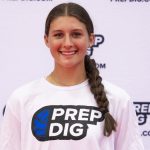
There are several top-notch right-side hitters in Arkansas I could use as examples, but I chose Arizona commit, Olivia AmbeauOliviaAmbeau
6'0" | S/RS
Cabot | 2028 StateAR
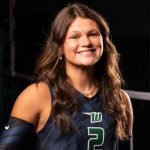
because of everything she brings to the court. Ambeau and Molly MillerMollyMiller
5'11" | S/RS
Fayetteville | 2028 State#94NationAR
are rare players. Both can set, hit, defend, and lead their teams. There are other right sides who might fit the more traditional mold of the position, but few possess the complete skill set that Ambeau brings to the floor.
Playing in Class 6A against some of the state's toughest competition, Ambeau has put together an impressive statistical season. She's recorded 310 kills while hitting .276, along with 14 aces, 63 blocks, 297 digs, 350 assists, and 59 receptions. Those numbers tell you just how versatile she is. Ambeau isn't just an attacker who rotates to the front row and puts balls away. She contributes in virtually every phase of the game.
But what really sets her apart for me is her blocking. At the college level, right-side hitters are frequently matched up against the opponent's best outside attackers. Having the size, timing, and ability to close the block is critical, and Ambeau has shown she can make an impact in that area.
Her 63 blocks are impressive, but it's her ability to combine that defensive presence with legitimate offensive production and setting ability that makes her such an intriguing prospect.
She's also capable of defending in the back row and running the offense when needed, something you don't see from many traditional right-side hitters. She will most likely be a 5-1 setter right-side as she moves forward in her career.
Evaluations are normally subscriber-only but when an athlete subscribes, theirs becomes free for all readers.
Subscribing doesn't change who the Scout covers, it changes who gets to see it.
Highlights
Liberos: Give Me Quality Over Quantity
This is one position where I think traditional statistics can really fool people. A libero with 35 digs might have played a tremendous match. She also might have faced 60 attacks because her team couldn't slow anyone down at the net. Digs per set tells me how many balls she kept off the floor. It doesn't necessarily tell me how well she defended. I want to know what happened after the dig. Did she put the ball in a position where the setter could run the offense? Was she balanced? Did she read the hitter, or was she simply reacting after contact? But the biggest thing I evaluate is serve receive.
Passing quality is my number one statistical indicator for liberos.
When reliable data is available, I want to see average pass rating, perfect-pass percentage, reception errors, and the number of serves received. A player passing a 2.3 on a three-point scale gets my attention, but I also need to know how the rating was recorded and what kind of serves she was facing. I watch platform control, footwork, and how she handles balls outside her body. And I really pay attention to what happens after a mistake. Can she shake off a bad pass and handle the next serve?
Coach Johnson also made an interesting observation about evaluating liberos.
Some players will make the easy plays look difficult by diving when the great ones can get there without falling down.
That's something I pay close attention to. A spectacular diving save might get the crowd excited, but a libero who reads the attack, moves efficiently, and makes the same play while staying on her feet may have demonstrated better defensive ability. Johnson also looks for strong court presence and the ability to cover significant range in serve receive.
Sometimes the best defensive play is the one that doesn't look particularly difficult.
Keys: Consistent serve receive, defensive anticipation, controlled digs, and composure under pressure.
Tulsa commit Kennedy BaberKennedyBaber
5'8" | DS/L/OH
Bentonville | 2028 StateAR
is a great example of what North Alabama coach Tristen Johnson was describing when he talked about defensive players who can read and react without having to dive for every ball.
At 5'8", Baber has good size for a libero, but it's her court awareness and defensive positioning that really make the difference.
A former hitter, Baber brings an understanding of the offensive side of the game to her defensive responsibilities. She reads opposing hitters extremely well, recognizes attacking angles, and gets herself into position before the ball is contacted. That's something I really look for when evaluating defensive players. It's not always about making the spectacular diving save. Sometimes the better defender is the one who reads the play early enough that she doesn't have to dive at all. Baber is balanced, moves efficiently, and consistently provides the quality first contact that allows the potent Tiger offense to operate at a high level.
Her statistics are impressive. She's recorded 334 digs, 26 aces, 45 assists, and 363 serve receptions this season. But I want to emphasize that last number. The 363 receptions tell me she's handling a significant amount of responsibility in serve receive. They don't tell me how well she's passing.
That's an important distinction when evaluating liberos. I want to know how many of those passes are putting the setter in position to run the entire offense. What's her average passing rating? How often is she delivering an in-system ball? How many reception errors is she making?
Baber's ability to read attackers, control her movements, and deliver consistent first contacts is what makes her such a strong defensive prospect.
She's a great example of why I value defensive efficiency over spectacular plays and passing quality over reception totals. The best liberos don't just keep the ball off the floor. They put their teams in position to score.
Evaluations are normally subscriber-only but when an athlete subscribes, theirs becomes free for all readers.
Subscribing doesn't change who the Scout covers, it changes who gets to see it.
Highlights
Defensive Specialists: Reliability Is Everything
My evaluation of defensive specialists is similar to liberos, but their role creates a few additional considerations. A DS might enter the match for only a few rotations. She doesn't always have the opportunity to settle into the game. She has to be ready immediately. I watch serve receive first. Can she handle tough float serves? Can she move through the ball without losing platform control? Does she consistently keep the offense in system? I also pay attention to serving. Can she serve aggressively without giving away points? Does she target specific zones? Can she put pressure on an opponent's weaker passer?
Serve-receive efficiency is my primary statistical indicator, followed by reception error rate and serving effectiveness.
An ace-to-error ratio can help, but it doesn't capture serves that force an opponent out of system.
Keyes: Reliable passing, disciplined defense, aggressive serving, and the ability to perform without needing several points to get comfortable.
A lot of what I said about Beyond the Stat Sheet:Beyondthe Stat Sheet:
can also be said about Beyond the Stat Sheet:Beyondthe Stat Sheet:
. Both are tremendous defensive players, but they go about their jobs a little differently. Baber has the size advantage, while…
Every position has different responsibilities, so I don't evaluate every player using the same statistical standards.
Here's where I generally start.
Position
Primary Statistical Indicator
What I Verify on Film
Outside
Hitting % with attack volume
Scoring against quality blocks, passing
Middle
Blocks/set
Closing speed, block touches, quick attacks
Setter
Team hitting % while setting
Location accuracy, tempo, decisions
Right Side
Hitting % with attack volume
Blocking and right-side attacking
Libero
Serve-receive rating
Passing consistency, dig quality
DS
Serve-receive rating
Passing reliability, serving pressure
These are starting points, not the entire evaluation. A middle averaging 1.2 blocks per set against weak competition isn't automatically a better prospect than someone averaging 0.8 against nationally competitive teams. The same goes for hitters, the system you play in makes a big difference, the competition does as well. And not every high school program tracks advanced statistics the same way. That's why I don't treat a single number as the final word on a player.
Why I Don't Like Evaluating Someone Based on One Match
I don't like making a definitive evaluation based on one good match. Players have great nights. They also have bad ones. Ideally, I want to see a player against different levels of competition, in different situations, and preferably more than once. The first time I watch someone, I'm generally looking at physical tools, mechanics, and overall ability. The second time, I start looking more closely at consistency and decision-making. If I get a third opportunity, I'm watching how she responds when things aren't going her way.
What happens when an outside gets blocked three times in a row? Does she make an adjustment, or does she keep swinging into the same block? What happens when a setter's offense is struggling? Does she recognize the problem? What does a libero do after getting aced? Those situations tell me a lot. I also pay attention to how players carry themselves between points. Do they communicate? Are they engaged when the ball isn't coming their way? Do they respond to coaching? Body language alone doesn't determine a ranking, but repeated patterns can tell you something about a player's maturity and approach to the game.
Beyond Talent: Character, Culture, and College Fit with Ouachita Baptist head coach Allison Frizzell & North Alabama head coach Tristen Johnson
One thing that's easy to overlook in recruiting is that college coaches aren't simply looking for talented volleyball players. They're looking for athletes who fit their programs. And with the number of players competing for college opportunities, those things can make a difference. Coach Frizzell pointed out that the growing number of volleyball players has made evaluating the person just as important as evaluating the athlete.
The pool of volleyball players is more abundant than it used to be, so as far as nonstatistical data goes, we look for the right cultural fit for them and us.
She also shared something I think every prospective college athlete and parent should consider.
We tell them to take volleyball out of the picture and ask themselves if they can see themselves graduating from the university.
That's a good way to approach recruiting. Volleyball is obviously important, but a player also needs to find a school where she can be successful academically, socially, and personally. Frizzell also pays attention to things that never appear on a stat sheet.
I also watch what athletes do on the bench and how they react to not playing and how they talk to their parents and coaches.
I've always believed you can learn a lot about a player when she's not involved in the action. How does she respond when a teammate makes a mistake? Is she engaged when she's on the bench? How does she handle coaching or a difficult stretch of play? Those things don't necessarily tell you how talented a player is, but they can tell you something about how she might fit into a college program.
Frizzell also reinforced something South Alabama assistant coach Maris Hall mentioned earlier in this article. Film can get a coach interested, but the evaluation doesn't end there.
While film is what catches our attention, watching athletes play live is where we really evaluate," Frizzell said. "It is also rare for us to just watch an athlete live once...we prefer multiple tournaments.
Tristen Johnson also brought up something that I think gets overlooked when evaluating young athletes. How hard do they compete when the outcome doesn't seem particularly important?
I want players that compete regardless of the circumstances and not only when they feel there is value in the result.
He specifically mentioned situations where a team has already qualified, secured a spot in the gold bracket, or is playing a weaker opponent. I think that's an important distinction. It's easy to get excited for a championship match against a rival. What about the third match of pool play against a team you're expected to beat?
Are you still communicating? Are you competing for every point? Are you doing the little things correctly? Those situations can tell you just as much about a player's competitive mentality as a five-set championship match.
That lines up with how I approach evaluations. One great match doesn't make someone a great prospect, just as one bad match shouldn't eliminate a player from consideration.College coaches want to see consistency. They want to see how athletes perform against different competition, how they respond to adversity, and whether what they saw on film holds up in person. Physical ability might get a player noticed. Production and mechanics can establish her as a legitimate prospect. But character, consistency, and the right fit can influence whether that interest turns into a recruiting opportunity.
The Right Player for the Right Program
One thing I think players and parents sometimes misunderstand about recruiting is that being a good volleyball player doesn't automatically make someone a good fit for every college program. For this section I turn to FormerDivision I head coach, Charlie Olson. He also spent five seasons as an Assistant Coach and Recruiting Coordinator at Sam Houston State University. Olson served as a volunteer assistant coach at Tennessee, where he helped train All-American libero Ellen Mullins. He is now Beach Volleyball Operations Director at Rally VB, explained that recruiting is much more complicated than simply identifying the most talented athletes.
It may sound cliche, but it's all about the 'fit.'
He pointed out that every program is in a different situation. A Power Four program competing for conference championships has different recruiting needs than a mid-major trying to take the next step. The same applies to Division II and III programs competing for national championships or a program going through a complete rebuild. And those needs can change from year to year.
Olson explained that during a program rebuild, he was looking for athletes who could help elevate the program over time. He referenced the Bowden Philosophy: "Lose Big. Lose Close. Win Close. Win Big." It's a simple way to describe the progression of building a competitive program. But recruiting isn't just about finding players with the physical ability to help make that happen.
Olson emphasized the importance of finding high-character athletes who understand their roles and fit within the team's dynamics.
I recruited players who I genuinely liked.
Olson said, explaining that coaches and players spend an enormous amount of time together practicing, traveling, and competing. That's something worth thinking about. A coach might love a player's athletic ability but ultimately decide she's not the right fit for the program. That doesn't necessarily mean there's something wrong with the player. It might simply mean the coach is looking for something different.
Statistics Get You Noticed. Live Evaluations Matter More.
Olson also addressed something I've mentioned throughout this article: the limitations of high school and club volleyball statistics.
Statistics can be brutally skewed in HS and Club; because there's no standard process.
He's right. Not every team tracks statistics the same way. Some programs have dedicated statisticians, while others rely on coaches or volunteers. Some don't maintain detailed statistics at all. That makes comparing players based strictly on numbers extremely difficult. Olson said he used statistical production to identify potential recruits, particularly in areas such as blocking, attacking, assists, and kills, depending on his program's needs. But the numbers were only the starting point.
I would always add recruits to evaluate live based on higher statistics.
From there, he would request film and evaluate the player in person. His final point was pretty straightforward.
Always watch them live; always. Do they pass the eye test? Then let's have a chat, see if there's a fit.
That reinforces what several other college coaches have shared with me. Film and statistics can get a player on a recruiting list. But watching that player compete in person, evaluating how her abilities translate to the college game, and determining whether she fits the program are what move the process forward.
Potential Versus Production
This is probably the toughest part of evaluating young players. Sometimes the most productive player on a high school team isn't the one with the highest college ceiling. You might have a 5'8" outside who is absolutely dominating her conference. She's smart, technically sound, and knows how to find the floor. Then you might have a 6'2" sophomore who is still developing, makes too many errors, and hasn't figured out how to use her physical tools. Who's the better prospect? That's where evaluation becomes more than reading statistics. The first player might be ready to contribute immediately at a strong Division II program. The second might have the physical upside to play Division I if her mechanics and consistency develop. Neither evaluation diminishes what the other player has accomplished.
Production tells me what a player is doing right now. Physical tools and technical development help me project what she might become.
Both matter, and I try to keep them separate when evaluating prospects.
What I'm Really Trying to Determine
When I leave a gym, I'm generally trying to answer five questions.
Physical ability: Does she have the size, reach, explosiveness, and movement skills for her projected college level?
Mechanics: Is her technique efficient, repeatable, and capable of holding up against faster competition?
Production: Is she effective, and do her statistics support what I'm seeing?
Volleyball IQ: Does she recognize situations, make adjustments, and understand her responsibilities?
Projection: What does her game look like two or three years from now?
I don't expect a freshman or sophomore to be a finished product. In fact, some of the players I find most intriguing are the ones who are still figuring things out. But I want to see a foundation to build on. I also try to be careful about putting too much weight on one measurement or one statistic. There are exceptions at every position and every level of college volleyball. A player doesn't have to fit a perfect physical profile to be a legitimate college prospect. What she does need is a skill set that translates. And ultimately, that's what I'm looking for every time I walk into a gym. Not just who's playing the best volleyball tonight.
I'm looking for who's capable of playing at the next level, what level that might be, and what it's going to take for her to get there.
I will be covering the Texas Exposure Tours for Pre Dig in November, I hope to see you there!
Want to get noticed? Prep Dig Arkansas is covering players, big performances and rising talent from every corner of the state.
Coaches, players and parents, send us your standout performances, milestones and game film. You never know who might be featured next!
Create your FREE player profile at PrepDig.com. download the Prep Network App and get on ours and coaches radar!
-Robert Birch, Lead Scout-Prep Dig Arkansas. Reach out to me at bdsrecruiting10@gmail.com or connect with me on X (@predigRob) Tik Tok(@prepdigrob) and Instagram(@prepdigarrob)
Access all of Prep Dig
Continue reading this article and every scouting report.






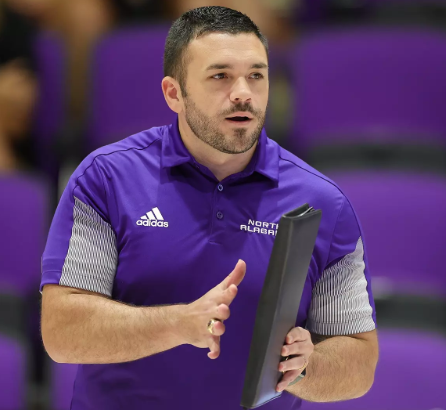 University of North Alabama coach Tristen Johnson emphasized two physical traits that immediately get his attention when evaluating attackers.
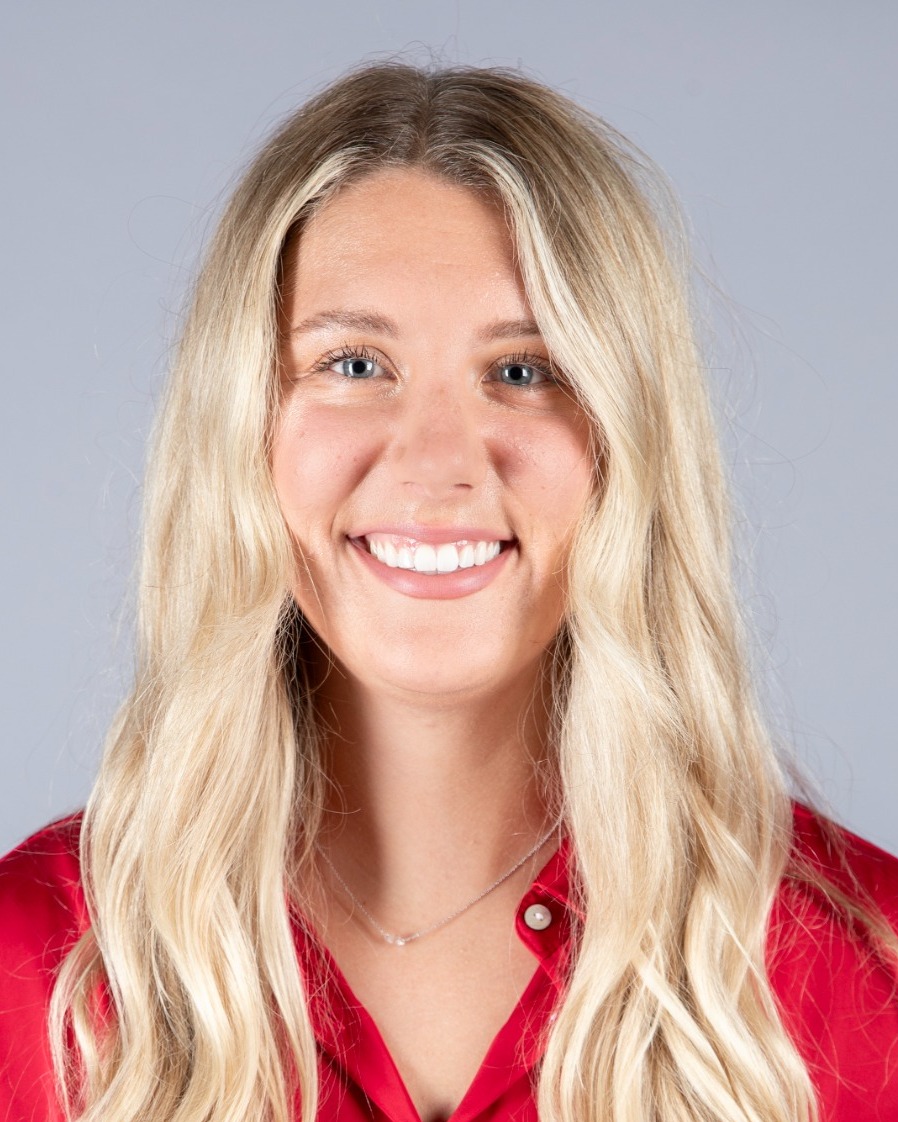 Maris Hall, Assistant Coach and Recruiting Coordinator at the University of South Alabama, emphasized that what she wants to see depends heavily on the position.




 Olivia
Ambeau
6'0" | S/RS
Cabot | 2028
State
AR
because of everything she brings to the court. Ambeau and
Molly Miller
 Molly
Miller
5'11" | S/RS
Fayetteville | 2028
State
#94
Nation
AR
are rare players. Both can set, hit, defend, and lead their teams. There are other right sides who might fit the more traditional mold of the position, but few possess the complete skill set that Ambeau brings to the floor.

 Kennedy
Baber
5'8" | DS/L/OH
Bentonville | 2028
State
AR
is a great example of what North Alabama coach Tristen Johnson was describing when he talked about defensive players who can read and react without having to dive for every ball.

 One thing I think players and parents sometimes misunderstand about recruiting is that being a good volleyball player doesn't automatically make someone a good fit for every college program. For this section I turn to Former Division I head coach, Charlie Olson. He also spent five seasons as an Assistant Coach and Recruiting Coordinator at Sam Houston State University. Olson served as a volunteer assistant coach at Tennessee, where he helped train All-American libero Ellen Mullins. He is now Beach Volleyball Operations Director at Rally VB, explained that recruiting is much more complicated than simply identifying the most talented athletes.